 Aroma Tranquility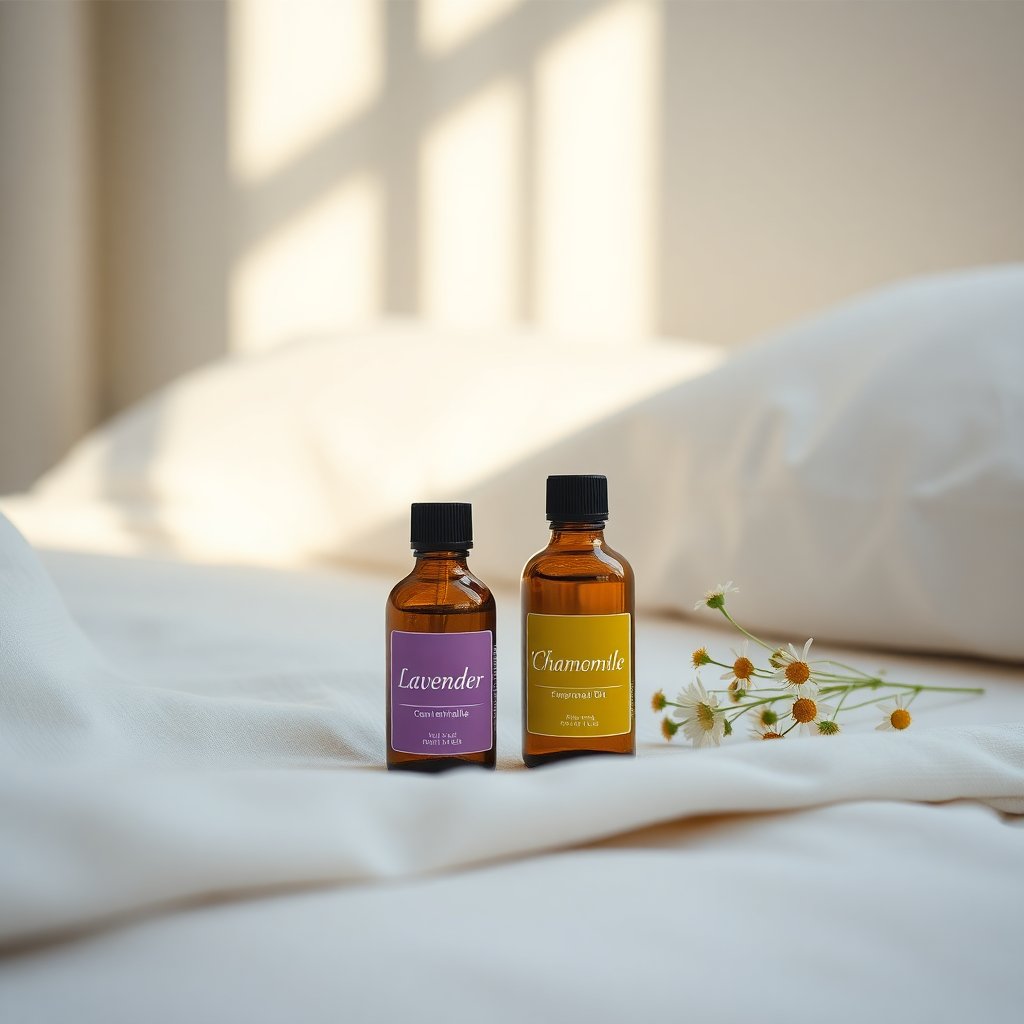
Best Essential Oils for Sleep in 2026
If you've tried cutting off screens, reducing caffeine, and setting your thermostat to 67 degrees — and you're still lying awake at midnight — essential oils might be the missing piece. Aromatherapy isn't magic, but the research behind certain oils and their effect on the nervous system is genuinely compelling. Lavender, in particular, has more clinical sleep research behind it than most people realize.
Here's a practical guide to the best essential oils for sleep in 2026, how they work, and how to actually use them.
How Essential Oils Affect Sleep
When you inhale an essential oil, volatile aromatic compounds travel through the nasal passage to the olfactory system — which has a direct connection to the limbic system, the brain's emotional and stress-regulation center. Certain compounds (linalool in lavender, bisabolol in chamomile) have measurable effects on GABA receptors, the same receptors targeted by sleep medications.
This doesn't mean essential oils work like Ambien. But it does mean they're not placebo either. Used consistently as part of a sleep routine, they help signal to your nervous system that it's time to wind down.
1. Lavender — The Gold Standard
Lavender essential oil is the most studied sleep aid in aromatherapy. Multiple clinical trials have shown that inhaling lavender before bed reduces anxiety, lowers heart rate, and improves sleep quality scores — particularly for people with mild sleep difficulties.
True lavender (Lavandula angustifolia) is what you want — not lavandin (Lavandula x intermedia), which has a sharper, more stimulating camphor note. Look for 100% pure essential oil with the Latin name on the label.
How to use it: Add 4–6 drops to your diffuser 30 minutes before bed, or apply a diluted blend (2–3% in carrier oil) to wrists and the back of the neck.
👉 Shop Lavender Essential Oil on Amazon
2. Roman Chamomile
Roman chamomile (Chamaemelum nobile) is softer and sweeter than German chamomile, and it's the go-to choice for sleep and anxiety. The active compound, bisabolol, has documented anxiolytic (anti-anxiety) effects, and the floral, apple-like scent is deeply relaxing.
It's more expensive than lavender — pure Roman chamomile oil requires significant plant material — but a few drops go a long way. Many people find it works best blended with lavender: 3 drops lavender + 1 drop Roman chamomile in a diffuser is a beautiful combination.
👉 Shop Chamomile Essential Oil on Amazon
3. Cedarwood
Cedarwood (Cedrus atlantica) is the sleeper hit (no pun intended) of sleep aromatherapy. It contains cedrol, a compound that research suggests has sedative effects via the autonomic nervous system. It's also just incredibly pleasant — warm, woody, and grounding in a way that lavender isn't.
Cedarwood pairs beautifully with lavender and frankincense for a complex, calming blend. It's also one of the most affordable high-quality essential oils on the market, making it easy to use liberally.
How to use: Diffuse alone or blended, or add a few drops to a wool dryer ball and toss in with your bedding. Your sheets will carry a gentle cedar scent that extends into your sleep environment.
👉 Shop Cedarwood Essential Oil on Amazon
4. Sleep Blend Oils
If you'd rather not mix your own, pre-formulated sleep blend essential oils are excellent — and often better than single oils because the combinations work synergistically. Good sleep blends typically combine lavender, cedarwood, vetiver, Roman chamomile, and sometimes bergamot or frankincense.
Look for blends from reputable brands that list all constituents, use 100% pure oils (no "fragrance oil" fillers), and come in dark glass bottles. Diluted roll-on versions are especially convenient for applying to pulse points at bedtime.
👉 Shop Sleep Blend Essential Oils on Amazon
5. Ultrasonic Diffuser — The Right Tool for the Job
None of the above works particularly well without a good diffuser. Heat-based diffusers (candle warmers, plug-in scent diffusers) degrade the volatile compounds and reduce the therapeutic benefit. An ultrasonic diffuser uses water and ultrasonic vibration to disperse a cool mist of oil particles into the air — preserving the full aromatic profile.
For a bedroom, look for a diffuser with:
- Quiet operation (under 30dB — critical for light sleepers)
- Timer and auto-shutoff (so it doesn't run all night)
- 200–300ml capacity (covers a bedroom easily)
- Optional ambient light (many double as nightlights)
Run it for 30–60 minutes before and during your wind-down routine. You don't need it running all night — you just need the signal.
👉 Shop Ultrasonic Diffusers on Amazon
Building a Sleep Aromatherapy Routine
The oils work best when they're part of a consistent ritual. Here's a simple one:
- 8:30 PM — Start diffuser with 4 drops lavender + 2 drops cedarwood
- 8:45 PM — Dim lights, reduce screen brightness or switch to night mode
- 9:00 PM — Apply diluted chamomile or sleep blend roll-on to pulse points
- 9:30 PM — Wind down with reading, journaling, or light stretching
The oils reinforce the routine, and the routine reinforces the oils. After a week of consistency, your nervous system starts to associate the scent with sleep onset — a conditioned response that makes falling asleep progressively easier.
Quality Matters
One more thing: quality variation in essential oils is enormous. Adulteration (diluting with synthetic fragrance or cheaper oils) is rampant in the category. Stick with brands that provide third-party GC/MS testing reports, list the botanical name and country of origin, and package in amber or cobalt glass.
The cheap oils on Amazon aren't necessarily bad, but you get what you pay for in aromatherapy. A quality bottle of lavender lasts months — it's worth spending $15–25 for something genuine.
Frequently Asked Questions
What is the best essential oil for sleep?
Lavender essential oil is the gold standard for sleep support — it's the most clinically studied aromatherapy sleep aid, with multiple trials showing reduced anxiety, lower heart rate, and improved sleep quality scores. True lavender (Lavandula angustifolia) is what you want; avoid lavandin, which has a sharper, more stimulating profile. Use 4–6 drops in a diffuser 30 minutes before bed.
Can essential oils really help with sleep, or is it just placebo?
The research suggests real physiological effects, not just placebo. Linalool (the primary compound in lavender) has documented activity at GABA receptors — the same receptors targeted by pharmaceutical sleep aids. Bisabolol in chamomile has measurable anxiolytic effects. That said, essential oils work best as part of a consistent bedtime routine, where the ritual itself reinforces the signal.
How do I use essential oils for sleep without a diffuser?
Several options work well without a diffuser: apply a diluted blend (2–3% essential oil in a carrier oil like jojoba) to pulse points — wrists and back of the neck. Add a few drops of cedarwood to wool dryer balls before washing your bedding. Use a premixed roll-on sleep blend directly on skin. Sprinkle 1–2 drops on a tissue inside your pillowcase for a subtle, lasting scent.
What essential oils should I avoid before bed?
Avoid energizing and stimulating oils at night — peppermint, rosemary, eucalyptus, and citrus oils (lemon, grapefruit, orange) are better suited for daytime use. These scents have been associated with increased alertness and mental activation. Also avoid ylang ylang in high concentrations, which can cause headaches in a closed bedroom environment.
How long does it take for essential oils to help with sleep?
Most people notice some effect within the first few uses, but the strongest benefits come with consistent use over 1–2 weeks. Your nervous system builds a conditioned association between the scent and sleep onset — the more consistently you use the same oil or blend as part of your wind-down routine, the stronger and faster the signal becomes.
As an Amazon Associate, we earn from qualifying purchases at no additional cost to you.
As an Amazon Associate we earn from qualifying purchases. This article contains affiliate links; if you buy through them we may earn a small commission at no additional cost to you.