 Aroma Tranquility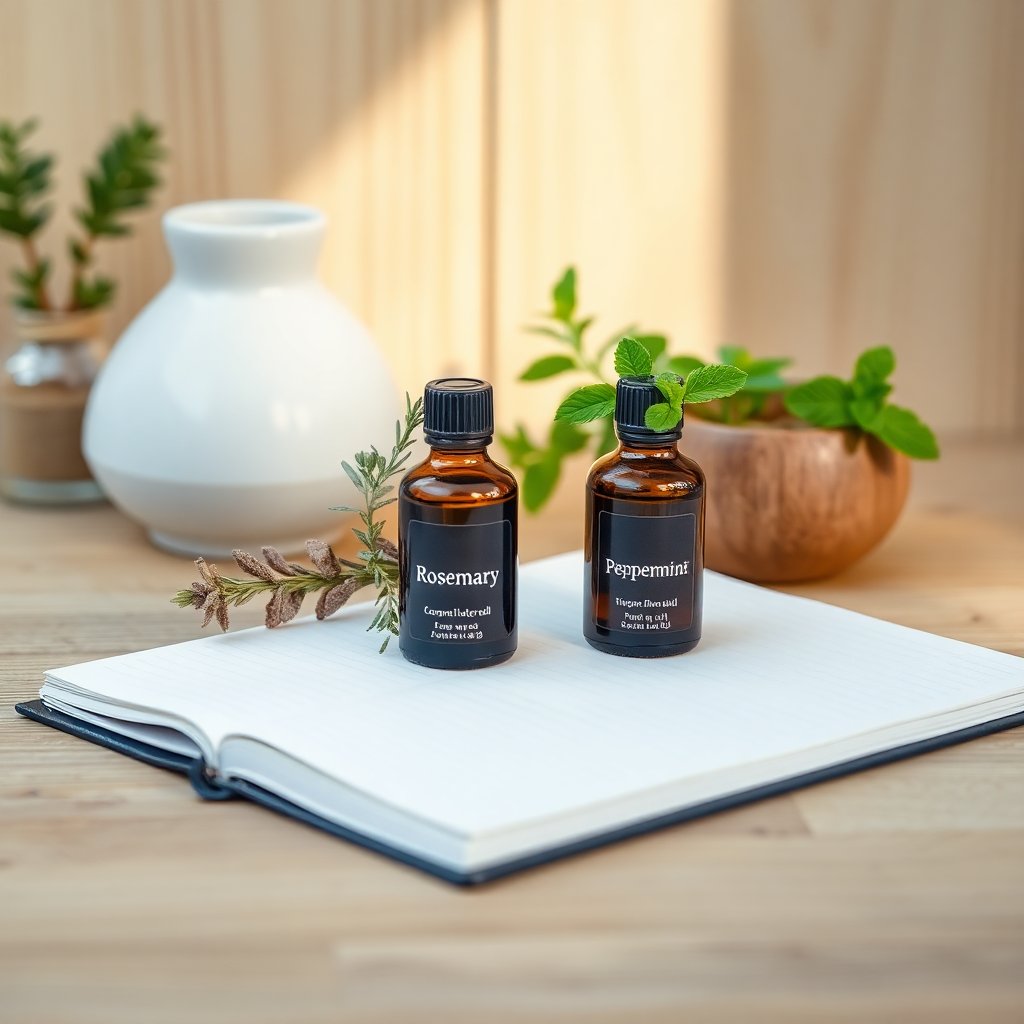
When my attention starts drifting during work sessions, I don't reach for another cup of coffee—I reach for my essential oil diffuser. Certain oils have become my secret weapon for maintaining focus during long workdays, and the science backs up what I've experienced firsthand.
Rosemary: The Memory and Focus Powerhouse
Rosemary essential oil consistently impresses me with its ability to sharpen mental clarity and improve concentration.
The Cognitive Benefits
Research shows that rosemary oil can enhance memory performance and increase alertness. In one study, people working in a room diffused with rosemary oil performed better on memory tasks than those in unscented environments.
I diffuse rosemary during morning work sessions when I need to tackle complex tasks requiring sustained attention. The herbaceous, camphoraceous scent seems to clear mental fog and help me think more clearly. On days when I skip it, I notice my mind wanders more easily.
How Rosemary Works
The active compounds in rosemary—particularly 1,8-cineole—may increase acetylcholine levels in the brain, supporting memory and cognitive function. The scent is invigorating without being overwhelming, creating an alert state of mind perfect for deep work.
I find rosemary particularly helpful during afternoon slumps when I need to power through tasks but want to avoid the jitters from more caffeine.
Browse rosemary essential oil on Amazon
Peppermint: Quick Mental Refresh
Peppermint oil delivers an immediate sense of alertness and mental energy—it's my go-to when I need a fast cognitive boost.
The Peppermint Effect
Studies suggest that peppermint aroma can improve concentration, memory accuracy, and overall cognitive performance. The sharp, cooling scent feels like a splash of cold water for your brain.
I keep a personal inhaler stick with peppermint oil in my desk drawer. When I hit a mental block or feel drowsy after lunch, two deep inhales provide an instant refresh. It's more effective than walking to get coffee and takes about five seconds.
Strategic Use
Peppermint is potent—a little goes a long way. I use it for short bursts rather than diffusing it for hours. Too much can become overwhelming and actually distract from work.
One drop on a cotton ball placed near my workspace provides enough scent to keep me alert without dominating the room. This method lets me control the intensity and remove it when I no longer need the boost.
Find peppermint essential oil on Amazon
Lemon: Bright and Uplifting Clarity
Lemon oil brings a clean, citrus brightness that lifts mood while supporting concentration—especially valuable during gray winter months when natural light is scarce.
Why Lemon Works for Focus
The fresh, uplifting scent of lemon oil can reduce stress and anxiety while promoting alertness. When I'm feeling mentally sluggish or slightly anxious about a deadline, lemon helps create a calm yet energized state of mind.
Research indicates that lemon aroma can improve mood and increase norepinephrine levels, which supports attention and focus. I find the scent particularly helpful when I'm working on creative tasks that require both focus and a positive mindset.
Blending Lemon with Other Oils
Lemon plays well with other focus-enhancing oils. My favorite productivity blend combines 3 drops lemon, 2 drops rosemary, and 1 drop peppermint. The result is a bright, herbaceous aroma that keeps me engaged without feeling clinical or harsh.
During video calls, I appreciate that lemon's clean scent doesn't read as "spa-like" or overly aromatherapy-focused if someone happens to notice it in the background.
Shop lemon essential oil on Amazon
How to Use Essential Oils for Focus
Getting the most from focus-enhancing oils requires thoughtful application rather than just randomly diffusing them throughout the day.
Diffusion Timing
I run my diffuser during specific work blocks rather than all day long. Typically, I'll diffuse for 30-45 minutes during my most challenging tasks, then turn it off. This prevents olfactory fatigue—when your nose becomes so accustomed to a scent that you stop noticing it.
Intermittent diffusion also maintains the oils' effectiveness. If rosemary is always in the background, my brain stops associating it with focused work.
Personal Inhalers
Aromatherapy inhaler sticks (blank inhalers you can fill yourself) are perfect for office environments or shared spaces where diffusing isn't appropriate. I keep one with peppermint and one with a rosemary-lemon blend in my bag.
Add 15-20 drops of essential oil to the cotton wick, assemble the inhaler, and you have a portable focus tool. Two deep inhales provide an immediate cognitive boost without affecting anyone around you.
Desk Placement Strategy
When diffusing, I place my diffuser slightly behind and to the side of my workspace rather than directly in front of me. This provides ambient aromatherapy without the mist or scent becoming a distraction.
The goal is supporting focus, not creating a sensory experience so prominent that it pulls attention away from work.
Supporting Oils Worth Exploring
Beyond the top three, several other oils have earned spots in my focus-enhancement rotation:
Basil has a sweet, herbaceous scent that reduces mental fatigue. I use it during long reading or research sessions.
Eucalyptus opens airways and provides mental clarity. Particularly helpful when seasonal congestion makes it hard to concentrate.
Frankincense deepens breathing and creates a grounded, meditative focus—excellent for detail-oriented work requiring patience.
What Doesn't Work for Productivity
Not every energizing oil supports focus:
Orange and sweet citrus oils are uplifting but too playful for serious work. They make me feel happy but scattered.
Ylang ylang is too sedating—the opposite of what I need during work hours.
Jasmine is beautiful but too heady and distracting for concentration.
Creating Productivity Blends
Custom blends often work better than single oils:
Morning startup: 3 drops lemon, 2 drops peppermint, 1 drop rosemary
Deep work session: 3 drops rosemary, 2 drops frankincense
Afternoon refresh: 3 drops peppermint, 2 drops eucalyptus
Creative work: 3 drops lemon, 2 drops basil, 1 drop rosemary
Start with these ratios and adjust based on your preferences and sensitivity. Some people need less peppermint, while others prefer more.
The Ritual Matters
Part of essential oils' effectiveness comes from the ritual itself. When I turn on my diffuser and add oils, it signals to my brain: "This is focused work time." That psychological association amplifies the oils' inherent properties.
Consistency builds this association. Use the same oil or blend for the same type of work, and over time, just smelling it will trigger a focused mental state.
Realistic Expectations
Essential oils enhance focus—they don't create it from nothing. If you're severely sleep-deprived, overwhelmed with distractions, or trying to work on poorly defined tasks, no amount of rosemary oil will fix the underlying problem.
I get the best results when I combine aromatherapy with good fundamentals: adequate sleep, clear task definition, elimination of digital distractions, and scheduled breaks.
Essential oils are a tool, not a miracle. But as tools go, they're remarkably effective, have no side effects when used properly, and cost far less than most productivity apps or supplements.
After incorporating focus-enhancing essential oils into my work routine, I've noticed genuine improvements in my ability to maintain concentration, complete deep work sessions, and stay mentally sharp throughout the day. Rosemary, peppermint, and lemon have become as essential to my productivity toolkit as my calendar and task manager.
Frequently Asked Questions
Which essential oil is best for focus and concentration?
Rosemary essential oil has the strongest research backing for cognitive performance and concentration. Its active compound 1,8-cineole has been linked to improved memory and alertness. Peppermint is the best choice when you need a quick mental boost or want to break out of a midday slump, and lemon works well for creative tasks requiring both calm and focus.
How long should I diffuse essential oils while working?
Diffuse for 30–45 minutes during your most demanding tasks, then turn the diffuser off. Running it all day leads to olfactory fatigue — your brain stops noticing the scent and the effectiveness drops. Intermittent use maintains the association between the scent and focused work, which actually strengthens the cognitive signal over time.
Can I use essential oils for focus if I work in a shared office?
Yes — personal aromatherapy inhalers are ideal for shared spaces. Fill an inhaler stick with 15–20 drops of your chosen oil and take a few deep inhales when you need a boost. There's no diffused scent affecting coworkers, and the effect is immediate and portable.
Is peppermint oil safe to use every day for productivity?
Yes, when used appropriately. Peppermint is potent — a little goes a long way, and using too much too frequently can become overwhelming rather than helpful. One drop on a cotton ball near your workspace, or a few inhales from an inhaler stick, is sufficient. Avoid applying undiluted peppermint oil directly to skin.
Do essential oils actually improve focus, or is it just placebo?
The research suggests it's both — and that's not a knock on effectiveness. Studies on rosemary and peppermint show measurable improvements in cognitive task performance beyond what can be attributed to placebo alone. The ritual of setting up your diffuser and beginning focused work also creates a psychological association that reinforces the effect. Used consistently, both mechanisms work in your favor.
Explore essential oils for focus on Amazon
As an Amazon Associate we earn from qualifying purchases. This article contains affiliate links; if you buy through them we may earn a small commission at no additional cost to you.