 Aroma Tranquility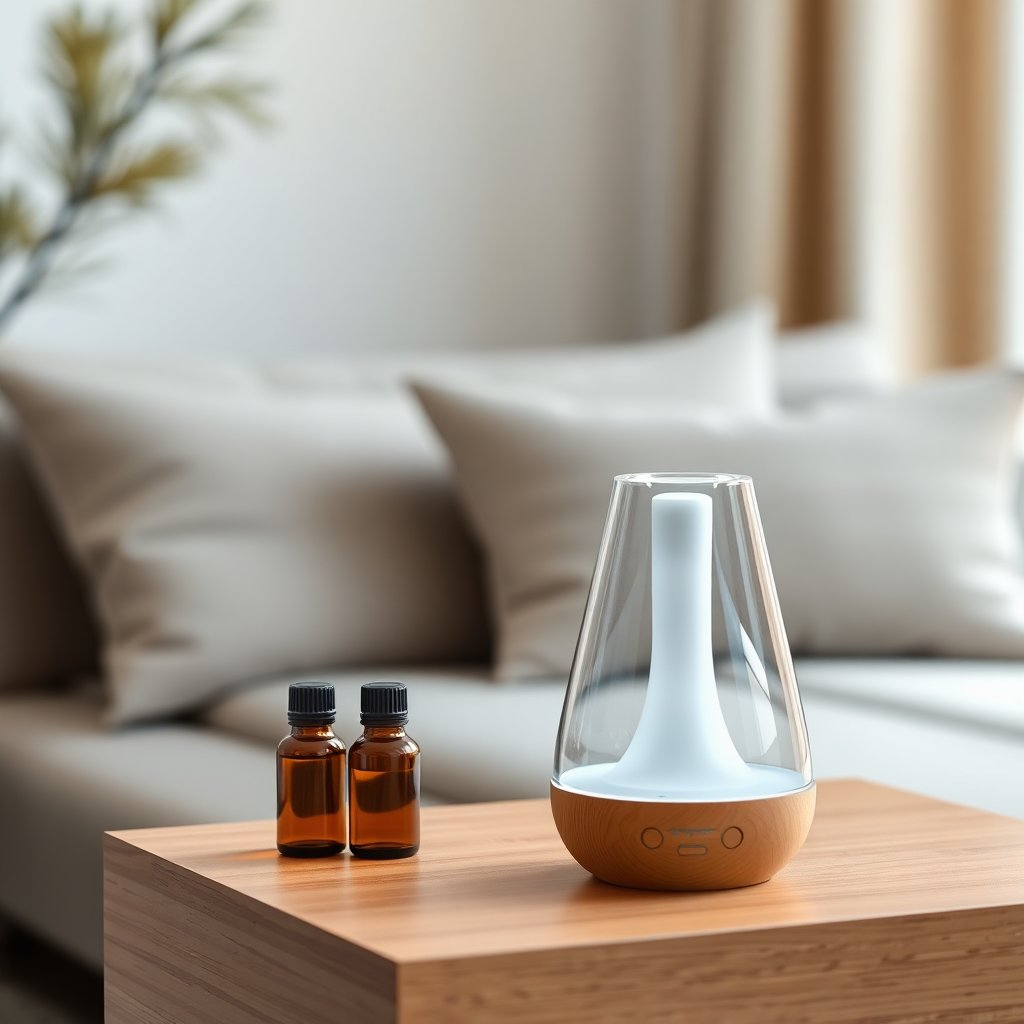
Waterless Nebulizing Diffusers: The 2026 Trend, Used Safely
Walk through the home fragrance aisle this year and you will notice something changing. The familiar plastic ultrasonic diffusers with their glowing water tanks are being joined — and in some homes replaced — by sleeker glass-and-wood devices that skip the water entirely. Waterless nebulizing diffusers have become one of the standout home scent trends of 2026, and there are good reasons for the shift. There are also a few things worth understanding before you swap over, because a nebulizer is a genuinely different animal from the diffuser most people started with.
The short version: nebulizers deliver a purer, stronger scent from undiluted oil, with no water reservoir to grow anything nasty. That strength is the whole appeal, and it is also exactly why they deserve a little respect. This guide walks through how they work, how they compare to the ultrasonic units you probably already own, and how to run one so the scent stays a pleasure rather than a headache.
As an Amazon Associate we earn from qualifying purchases. This article is for general wellness and home-fragrance information, not medical advice — if you have asthma, allergies, are pregnant, or share your home with pets, talk to your doctor or vet before changing your diffusing habits.
What "Waterless" Actually Means
Most diffusers sold over the last decade are ultrasonic models. You fill a tank with water, add a handful of oil drops, and a small plate vibrates thousands of times per second to fling a cool, damp mist into the room. It doubles as a light humidifier, which is part of why they caught on.
A nebulizing diffuser works on a completely different principle. There is no water and no heat. Instead, a stream of pressurized air passes over a small tube of pure essential oil and shears it into an ultra-fine dry cloud of oil droplets — the same atomizing idea behind a perfume atomizer, scaled for a room. Because nothing dilutes the oil, what reaches the air is concentrated aroma-chemistry and nothing else.
That single design difference drives almost everything else about how the two devices behave, from scent strength to how long you should run them.
Nebulizing vs Ultrasonic: The Honest Comparison
Neither type is "better" in the abstract — they are tools for different jobs. Here is where they genuinely differ.
Scent strength. Nebulizers win, and it is not close. By aerosolizing undiluted oil, they put a far higher concentration of active compounds into the air per minute than a water-diluted mist ever could. If you have ever felt like your ultrasonic diffuser "isn't strong enough" in a big open-plan room, a nebulizer is the usual fix.
Humidity. Ultrasonic units add moisture to the air; nebulizers add none. In a dry winter bedroom the added humidity is a perk. In an already-humid climate, going waterless is the cleaner choice.
Maintenance and hygiene. This is a quiet advantage of nebulizers. A standing water tank, if you are lax about emptying and drying it, can grow mold and bacteria that then get misted into the room. No water means no reservoir to neglect. You will still clean the glass and occasionally flush the tube with alcohol, but the mold question disappears entirely. If you are still deciding what fits your home, our guide on how to choose the right diffuser for your space size walks through matching device output to square footage.
Oil consumption. Nebulizers drink oil. Because they run undiluted, a session uses noticeably more oil than a few drops in a water tank — something to budget for if you favor pricier oils. They also want 100% pure oils with no carrier added, since carrier oils can gum up the mechanism.
Noise. Nebulizers use a small air pump, so many models produce a soft whir that ultrasonic units don't. It is usually gentle white noise, but light sleepers should note it.
Why Stronger Means "Use Less"
Here is the part that gets skipped in most trend write-ups. The very thing that makes nebulizers appealing — dense, undiluted scent — is also why the run-time math is different.
Independent testing has found that running a nebulizing diffuser at full output for more than an hour can push indoor volatile organic compound (VOC) levels well above common indoor-air guidelines, roughly doubling them versus a shorter session. VOCs are simply the airborne compounds that carry scent; a little is the whole point of aromatherapy, but a lot, in a closed room, all day, is a different situation.
There is real research behind the caution. A population study published in the journal Atmosphere in 2022 followed 200 people in Northern Taiwan over a decade and found that those who inhaled essential oils for an hour or more each day tended to show higher heart rate and blood pressure and lower lung-function readings than lighter users. It is one study, in one population, and it does not mean diffusing is dangerous — plenty of people diffuse for years with no issue. What it does argue for is moderation: intermittent sessions in a ventilated room rather than an all-day fog. The American Lung Association keeps a level-headed overview of what the research does and doesn't show that is worth reading before you commit to daily use.
The practical takeaway is refreshingly simple. Nebulizers are built for short bursts. A common manufacturer recommendation is roughly 10 minutes of run time, one to three times a day, versus the 30-to-60-minute sessions typical for a gentler ultrasonic unit. Many nebulizers ship with a built-in timer or an intermittent cycle for exactly this reason — treat that setting as a feature, not a limitation.
Running a Nebulizer Safely, Step by Step
Start with a short session. Ten to fifteen minutes fills an average room. Because there is no water buffer, the scent arrives fast and builds quickly, so you will almost always want less run time than you expect.
Ventilate. A cracked window or an open door lets the aroma move through the room instead of concentrating. This matters more with a nebulizer than an ultrasonic unit precisely because the output is denser.
Use pure, single or well-blended oils. Nebulizers reward good oil. Thin, bright oils like citrus and eucalyptus atomize beautifully; thick, resinous oils like sandalwood or vetiver flow more slowly and can clog the tube if used alone. A quality set of pure oils keeps the mechanism happy. → Shop pure essential oils for nebulizers on Amazon
Clean the glass regularly. Every week or two, run a little high-proof or rubbing alcohol through the unit per the manual to clear residue. Old oxidized oil smells off and can reduce output. A well-maintained nebulizer lasts for years.
Choose a model with a timer. An auto-shutoff or intermittent cycle does the moderation work for you and prevents an accidental all-day run. It is the single most useful feature to look for. → Shop waterless nebulizing diffusers on Amazon
The Pet and Kid Question
Nebulizers deserve extra care around animals and small children, and it comes back to concentration. Because they disperse undiluted oil, the airborne dose is higher than a water-diluted mist, and those fine droplets can settle on a pet's fur — where a cat will later ingest them while grooming.
Cats are the standout concern. They lack a specific liver enzyme that helps other mammals break certain essential-oil compounds down, so oils that are merely irritating to us can accumulate in a cat. Veterinary guidance is consistently cautious here: many vets suggest avoiding active oil diffusion entirely in homes with cats, or at minimum keeping it to brief, well-ventilated sessions in a room the animal can freely leave. Birds are similarly sensitive. Dogs tolerate more but still benefit from an easy exit and short sessions.
If a pet leaves the room when the diffuser starts, take the hint and let them. And keep any diffuser — but especially a stronger nebulizer — out of a nursery or a small child's closed bedroom. For a fuller picture of how to think about intensity and dosing across device types, our roundup of cozy fall diffuser blends and recipes includes a plain-English safety note that applies just as well to waterless units.
Aromatherapy is a wellness ritual meant to make a home feel good, not a treatment for any condition. None of this is a reason to avoid a nebulizer — it is simply the context that lets you enjoy one without second-guessing it.
Is a Nebulizer Right for You?
Reach for a waterless nebulizer if you want the strongest, purest scent, you have a larger or open-plan space to fill, you would rather not maintain a water tank, or you already run humid and don't want more moisture in the air. The trade-offs are higher oil use, a soft pump hum, and the need to be deliberate about run time.
Stick with (or add) an ultrasonic diffuser if you want gentle all-evening ambient scent, some added humidity in dry months, quieter operation, or a lower oil budget. Many enthusiasts end up owning both — a nebulizer for a quick, powerful lift when guests arrive, and an ultrasonic for the soft background scent of an ordinary evening. If your current unit is showing its age, the best essential oil diffusers of 2026 roundup covers strong picks in both categories, and it is worth having a reliable everyday model on hand. → Shop ultrasonic essential oil diffusers on Amazon
The waterless trend is popular for real reasons: the scent is cleaner and stronger, and the hygiene story is genuinely better. Bring one home, run it in short deliberate bursts in a ventilated room, keep the pets in mind, and a nebulizing diffuser earns its place as the most powerful scent tool in the house — without ever becoming too much of a good thing.
As an Amazon Associate we earn from qualifying purchases. This article contains affiliate links; if you buy through them we may earn a small commission at no additional cost to you.