 Aroma Tranquility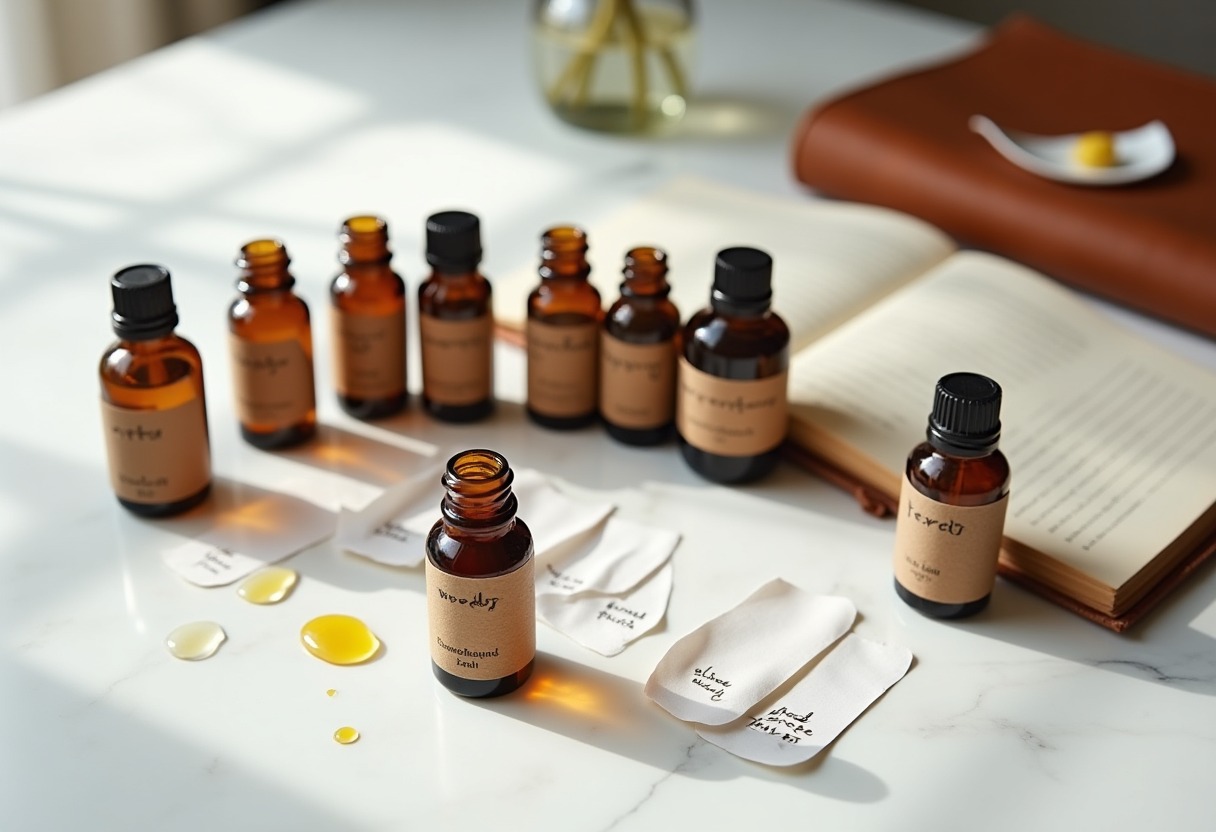
That bergamot oil your friend swears by might smell cloying on your skin, while the ylang-ylang you can't stand becomes gorgeous when she wears it. Body chemistry transforms essential oils in ways that make choosing oils more complex—and more personal—than simply reading therapeutic properties lists.
Why Personal Chemistry Changes Everything in Aromatherapy
Your skin's pH level, natural oil production, and genetic makeup create a unique chemical environment that interacts with essential oil molecules. According to research published by the National Center for Biotechnology Information, individual differences in olfactory receptor genes can make the same molecule smell entirely different to different people. This explains why lavender relaxes some people while energizing others, or why certain citrus oils smell fresh on one person but sharp and overwhelming on another.
Temperature also plays a role. Essential oils with higher volatility rates—like eucalyptus and peppermint—tend to project more intensely on people with naturally warmer skin, while base note oils like sandalwood and patchouli develop better on cooler skin temperatures. Understanding these interactions helps you choose oils that complement rather than compete with your natural chemistry.
Understanding the Five Core Scent Families
Essential oils fall into five primary scent families, each with distinct molecular structures that interact differently with skin chemistry. Knowing which families appeal to you creates a foundation for choosing specific oils.
Fresh/Citrus oils like lemon, grapefruit, and bergamot work best on people who prefer clean, energizing scents. These oils typically suit those with slightly acidic skin pH (around 5.5) and work especially well for morning routines or when you need mental clarity.
Floral oils including rose, jasmine, and geranium appeal to people drawn to romantic, soft scents. These complex molecules develop beautifully on balanced skin types and pair well with evening use or emotional wellness practices.
Woody/Earthy oils such as cedarwood, vetiver, and patchouli ground anxious energy and work particularly well for people who prefer deeper, more contemplative scents. These oils suit those with slightly alkaline skin and offer excellent staying power.
Herbal/Green oils like rosemary, basil, and eucalyptus provide fresh, clean energy without the sweetness of citrus. They work well for people who find florals too heavy but want more complexity than simple citrus.
Spicy/Warm oils including cinnamon, clove, and black pepper energize without overwhelming. These oils suit people who enjoy bold scents and often work better in cooler weather or for those with cooler body temperatures.
Start with → Shop essential oil sample sets on Amazon to test different families without committing to full bottles.
Testing Methods That Actually Work
Smart testing prevents expensive mistakes and helps you build a collection that truly serves your preferences. Use → Shop aromatherapy testing strips on Amazon for initial screening, but always test promising oils on your skin before purchasing full sizes.
The pulse point test reveals how oils develop with your body chemistry. Apply one drop of diluted oil (never neat) to your wrist or inner elbow. Note the scent immediately, after 5 minutes, 30 minutes, and 2 hours. Many oils that seem overwhelming initially mellow beautifully, while others that start pleasant can become cloying.
Temperature testing matters more than most people realize. Test oils when you're at different body temperatures—after exercise, when you're cold, during different times of day. Best Essential Oils For Sleep often perform differently in evening versus morning tests because your body temperature and stress levels change throughout the day.
Keep a testing journal using a → Shop scent journal notebook on Amazon. Record not just whether you like an oil, but when you tested it, how it made you feel, and how long the scent lasted. Patterns emerge that guide better purchasing decisions.
Scent Profile Categories and Oil Matches
| Scent Preference | Personality Traits | Recommended Oil Families | Specific Oil Examples | |------------------|-------------------|-------------------------|----------------------| | Clean & Fresh | Energetic, organized, prefers simplicity | Citrus, Light Herbal | Lemon, eucalyptus, tea tree, peppermint | | Warm & Comforting | Nurturing, home-focused, seeks security | Woody, Vanilla-like, Soft Spice | Cedarwood, sweet orange, cinnamon leaf, frankincense | | Exotic & Complex | Adventurous, creative, enjoys luxury | Floral, Resinous, Rare Woods | Ylang-ylang, sandalwood, rose, benzoin | | Bold & Dramatic | Confident, expressive, makes statements | Strong Florals, Spicy, Intense Woods | Jasmine, clove, patchouli, black pepper |
This framework provides starting points, not rigid rules. Many people enjoy oils across multiple categories, and preferences often shift with seasons, life circumstances, or even hormonal changes.
Recommended Testing and Storage Solutions
Building a personalized essential oil collection requires systematic testing and proper storage. Start with a comprehensive reference guide like → Shop essential oil reference guide on Amazon to understand therapeutic properties alongside scent profiles.
Quality sample sets let you explore entire families without waste. Look for sets that include 2-5ml bottles rather than tiny vials—you need enough oil for multiple tests over time. Companies like Plant Therapy and Rocky Mountain Oils offer family-specific sample packs that take the guesswork out of selection.
Proper storage extends oil life and maintains scent integrity. Use → Shop essential oil storage boxes on Amazon with individual compartments that protect bottles from light and temperature fluctuations. Store oils in a cool, dark place away from bathroom humidity.
Consider building your collection around specific needs rather than random purchases. If you're drawn to stress relief, explore the range of options in Best Aromatherapy Diffusers Stress Relief 2026 alongside complementary oils. For sleep support, match oils from Best Essential Oils For Sleep with your scent preferences.
Advanced Chemistry Considerations Most People Miss
Skin chemistry changes with diet, medication, hormones, and age—factors that affect how oils smell and perform on your skin. Women often notice their preferences shift during different menstrual cycle phases or life stages. What smells perfect during summer might feel overwhelming in winter when skin is drier and scent perception changes.
pH testing strips reveal your skin's current state and help predict oil performance. Oils with high citrus content work better on slightly acidic skin, while base notes develop more fully on alkaline skin. This knowledge helps you choose oils that harmonize rather than clash with your natural chemistry.
Layering knowledge becomes crucial as your collection grows. How To Layer Scents explains how different oil families interact, but personal chemistry adds another layer of complexity. Oils that smell gorgeous individually might compete when layered, while others create beautiful synergies you couldn't predict from single testing.
Consider how oils perform in your preferred application methods. Some oils that work beautifully in diffusers become too intense in topical applications, while others that seem weak when diffused create lovely personal scent when applied to skin. Match your testing methods to your intended uses for more accurate results.
Frequently Asked Questions
Why does the same essential oil smell completely different on me versus my friend? Skin chemistry differences create unique interactions with essential oil molecules. Your skin's pH level, natural oil production, body temperature, and genetic variations in olfactory receptors all influence how oils develop on your skin. Additionally, diet, medications, and hormonal fluctuations can temporarily change your skin chemistry, making the same oil perform differently at different times. This is why testing oils on your own skin rather than relying on others' experiences produces better results.
How long should I test an essential oil before deciding if I like it? Test oils for at least 2-4 hours to experience their full development cycle. Essential oils have top notes (immediate scent), middle notes (develop after 5-30 minutes), and base notes (emerge after 30 minutes to 2 hours). Many oils that seem overwhelming initially mellow into something beautiful, while others start pleasant but become cloying over time. Test the same oil on multiple occasions and in different conditions—your perception can change based on stress levels, time of day, and season.
Can I change my scent preferences, or am I stuck with what I naturally like? Scent preferences can evolve through exposure and life experiences, though genetic factors create baseline tendencies. Many people develop appreciation for previously disliked scent families through gradual exposure or by finding the right oil within that family. For example, someone who dislikes floral scents might discover they enjoy rose geranium but not jasmine. Hormonal changes, seasonal shifts, and life transitions also naturally alter preferences over time.
Should I choose different essential oils for different seasons? Seasonal adjustments often enhance your aromatherapy experience. Lighter, more volatile oils like citrus and eucalyptus typically feel refreshing in warm weather, while deeper, warmer oils like frankincense and cedarwood provide comfort during colder months. Your skin also changes seasonally—drier winter skin may make certain oils feel more intense, while humid summer conditions can mute others. Pay attention to how your current favorites perform across seasons and adjust accordingly.
How do I know if an essential oil is actually working for me therapeutically, not just smelling nice? Therapeutic effectiveness combines scent appeal with measurable results in your target area—better sleep, reduced anxiety, improved focus, or physical relief. Track both your scent enjoyment and specific outcomes in a journal. An oil that smells amazing but doesn't deliver therapeutic benefits might work better as a personal fragrance, while an oil that provides results but doesn't appeal scent-wise might work better in blends. The most effective oils for you will both smell appealing and produce the wellness outcomes you seek.
Understanding your unique scent profile transforms essential oil selection from guesswork into a personalized wellness practice that actually works with your body's natural chemistry.
Some links on this page are affiliate links. We may earn a small commission if you purchase through them, at no extra cost to you.
As an Amazon Associate we earn from qualifying purchases. This article contains affiliate links; if you buy through them we may earn a small commission at no additional cost to you.