 Aroma Tranquility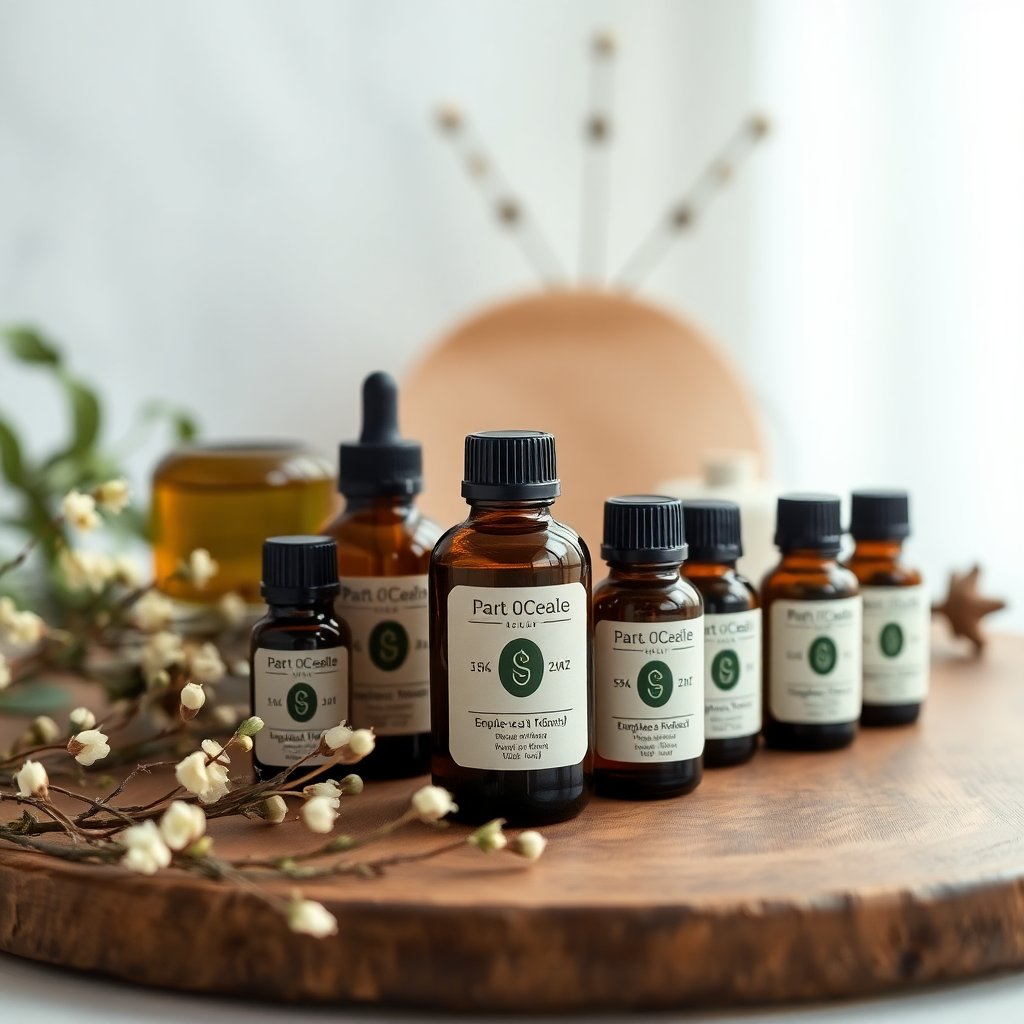
That dull, throbbing pressure behind your eyes doesn't always need a trip to the medicine cabinet. Essential oils for headaches have a surprisingly solid track record — especially peppermint and lavender — and the right application method can bring noticeable relief within minutes.
Why Essential Oils Work for Headaches
Headaches come in many forms: tension headaches from hours of screen time, sinus headaches from congestion, and stress headaches that quietly build throughout a long day. Essential oils address these through two mechanisms — topical application (where compounds like menthol absorb into the skin and activate cooling receptors) and aromatherapy (where inhalation sends calming signals through the olfactory system to the nervous system).
A 2016 study published in Cephalalgia found that topical peppermint oil significantly reduced headache intensity compared to placebo. That's not just wellness marketing — there's real chemistry at work. Diluted in a carrier oil and applied to the temples or forehead, certain oils genuinely compete with over-the-counter options for mild to moderate tension headaches.
The key is knowing which oil to reach for and how to use it safely. Here are the best essential oils for headaches, based on evidence, user experience, and quality.
1. Peppermint Essential Oil — Best Overall for Tension Headaches
Peppermint is the gold standard for headache relief in aromatherapy. Its active compound, menthol, creates a cooling sensation that inhibits serotonin receptors and reduces pain signals. Applied to the temples and forehead (always diluted — 2–3 drops per teaspoon of carrier oil), it mimics the cooling effect of topical analgesics without the chemical load.
Look for 100% pure peppermint oil with no additives or synthetic fragrance. Brands like Plant Therapy, doTERRA, and NOW Foods offer reliable quality. The scent should be sharp, clean, and intensely minty — not sweet or artificial.
How to use: Mix 2–3 drops with a teaspoon of fractionated coconut oil. Apply to temples, across the forehead, and the base of the skull. Avoid eye contact — menthol near the eyes stings.
→ Shop Peppermint Essential Oil on Amazon
2. Lavender Essential Oil — Best for Stress and Migraine-Related Headaches
Lavender's reputation for calming the nervous system translates directly to headache relief when stress or anxiety is the trigger. Linalool and linalyl acetate — lavender's primary compounds — have demonstrated anxiolytic and sedative properties in clinical studies. For headaches that arrive alongside tension, worry, or a stressful day, lavender is often more effective than peppermint.
Inhaling lavender during the onset of a migraine has shown promise in reducing severity. A 2012 study in European Neurology found that migraine sufferers who inhaled lavender essential oil for 15 minutes during attacks reported significantly better relief than those in the control group.
For our full breakdown of top lavender oils, see The 7 Best Lavender Essential Oils.
How to use: Add 4–5 drops to a diffuser. Alternatively, place 1–2 drops on your palms, rub together, and inhale deeply for 1–2 minutes at headache onset.
→ Shop Lavender Essential Oil on Amazon
3. Eucalyptus Essential Oil — Best for Sinus Headaches
If your headache comes with facial pressure, nasal congestion, or that heavy feeling behind the cheeks, you're likely dealing with a sinus headache — and eucalyptus is your best option. Eucalyptol (1,8-cineole), the main compound in eucalyptus oil, is a proven expectorant and anti-inflammatory that helps open sinus passages and reduce the pressure that drives sinus pain.
Eucalyptus globulus is the most studied variety for respiratory and sinus applications. Steam inhalation is particularly effective: add 3–5 drops to a bowl of hot (not boiling) water, drape a towel over your head, and inhale for several minutes.
How to use: Steam inhalation as above, or diffuse in the room. For topical use, dilute and apply sparingly to the bridge of the nose and cheekbones (avoid the nostrils directly).
→ Shop Eucalyptus Essential Oil on Amazon
4. Frankincense Essential Oil — Best for Chronic and Inflammation-Driven Headaches
Frankincense doesn't get enough credit in the headache conversation. Boswellic acids — the key active compounds — have demonstrated anti-inflammatory effects in research, making frankincense useful for headaches rooted in chronic inflammation or heightened stress responses. It's also deeply grounding, making it a good candidate for meditation-style relief practices.
This is a slower-acting oil than peppermint, so it's better for prevention and chronic management than acute relief. Diffusing frankincense regularly as part of a calming evening routine can reduce overall headache frequency in stress-prone individuals.
→ Shop Frankincense Essential Oil on Amazon
5. Rosemary Essential Oil — Best for Circulation-Related Headaches
Rosemary essential oil has a stimulating, camphor-forward scent and works by improving local circulation. Headaches caused by poor posture, long periods of sitting, or muscle tension in the neck and shoulders respond well to rosemary applied topically to the neck and shoulders, or inhaled for mental clarity.
Rosemary is also one of the most studied oils for cognitive function — which means it can help with the foggy, low-energy headaches that come after long work sessions. The 1,8-cineole content overlaps with eucalyptus, giving it mild decongestant properties as well.
→ Shop Rosemary Essential Oil on Amazon
6. Pre-Made Headache Roller Blends — Best for Convenience
If you want headache relief without measuring and blending, pre-made roller blends are the most practical option. Products like Badger Headache Soother, Plant Therapy's Head Aid Roll-On, and similar options combine peppermint, lavender, and eucalyptus in carrier oil, pre-loaded in a glass roller bottle ready for temple application.
These are ideal for keeping in a purse, desk drawer, or gym bag. The dilution is done for you, reducing the risk of skin irritation, and the roller applicator makes precise temple application effortless.
→ Shop Headache Relief Roller Blends on Amazon
7. Diffuser — The Right Tool for Aromatherapy Headache Relief
A quality diffuser is the most effective way to fill a room with therapeutic-grade aromatherapy. Ultrasonic diffusers use water and vibration to disperse a cool mist without heat — heat degrades essential oil compounds and reduces efficacy. For headache relief through inhalation, a reliable ultrasonic diffuser is a worthwhile investment.
For our full recommendations, see Best Essential Oil Diffusers for Every Room.
→ Shop Ultrasonic Essential Oil Diffusers on Amazon
What to Look For When Buying Essential Oils for Headaches
Not all essential oils are created equal. Here's what separates therapeutic-quality oils from fragrance oils that won't do much beyond smell nice:
- 100% pure, undiluted: The label should say "100% pure essential oil" — not "fragrance oil" or "aromatherapy blend" unless you know what's in the blend
- GC/MS tested: Gas chromatography/mass spectrometry testing verifies purity and chemical composition; reputable brands publish these results
- Dark glass bottles: UV exposure degrades essential oils quickly — brown or blue glass is standard for quality products
- Latin name on label: Lavender should say Lavandula angustifolia, peppermint should say Mentha piperita — specificity signals a serious brand
- No synthetic additives: Avoid any oil with "fragrance," "parfum," or listed carrier oils unless it's sold as a pre-diluted blend
Comparison Table
| Oil | Best For | Application Method | Speed of Relief | Price Range | |---|---|---|---|---| | Peppermint | Tension headaches | Topical (diluted) | Fast (5–15 min) | $8–$18 | | Lavender | Stress/migraine | Diffuser or inhalation | Moderate (10–20 min) | $8–$22 | | Eucalyptus | Sinus headaches | Steam inhalation | Moderate (10–20 min) | $7–$16 | | Frankincense | Chronic/inflammatory | Diffuser | Slow (preventive) | $12–$30 | | Rosemary | Tension/circulation | Topical + diffuser | Moderate | $7–$15 | | Pre-made roller | On-the-go relief | Topical (roller) | Fast (5–10 min) | $10–$22 |
Frequently Asked Questions
What is the best essential oil to apply directly for a headache?
Peppermint essential oil is the most effective for direct application. The menthol creates a cooling, analgesic effect when applied to the temples and forehead. Always dilute with a carrier oil first — a 2–3% dilution (about 2–3 drops per teaspoon of carrier) is appropriate for facial use. Never apply undiluted essential oils directly to skin.
Can I use essential oils for migraines, or just tension headaches?
Both. Lavender has the strongest evidence base for migraine relief, with a 2012 clinical study showing meaningful reduction in migraine severity through inhalation. Peppermint works well for tension headaches. For migraines, inhale lavender at the earliest sign of onset and lie down in a dark, quiet room — the combination often reduces the severity and duration.
How do I use essential oils for headaches at work?
The most discreet method is a personal inhaler (a small cotton wick in a tube with a few drops of oil) or a pre-made roller blend. Both can be used at a desk without affecting coworkers. Avoid diffusing in shared spaces without consent — peppermint and eucalyptus in particular can be overwhelming for those who didn't choose to smell them.
Are essential oils safe to use for headaches every day?
For occasional use, yes. If you're diffusing, limit sessions to 30–60 minutes with breaks. For topical use, well-diluted oils are generally fine for regular use. However, if headaches are occurring daily and severe, essential oils should be part of a broader care plan — not a reason to avoid investigating the underlying cause with a doctor.
Which carrier oil is best for diluting essential oils for headache relief?
Fractionated coconut oil is the most popular choice — it's lightweight, absorbs quickly, odorless, and doesn't leave a greasy residue. Jojoba oil is another excellent option with a long shelf life. Avoid heavy oils like olive or avocado for facial application; they're too thick for temple use.
→ Shop Fractionated Coconut Oil for Essential Oil Dilution on Amazon
The Bottom Line
For tension headaches, peppermint applied to the temples is hard to beat. For stress-driven headaches and migraines, lavender inhalation at onset is your best move. For sinus pressure, eucalyptus steam inhalation provides the most direct relief. A small collection of these three oils — plus a good dilution ratio and a reliable diffuser — covers the vast majority of everyday headache scenarios.
If you're looking to expand your anxiety relief toolkit beyond headaches, the same oils that work here also shine in our Essential Oils for Anxiety guide.
Start with peppermint and lavender. Learn how your body responds. Then build from there.
As an Amazon Associate we earn from qualifying purchases. This article contains affiliate links; if you buy through them we may earn a small commission at no additional cost to you.