 Aroma Tranquility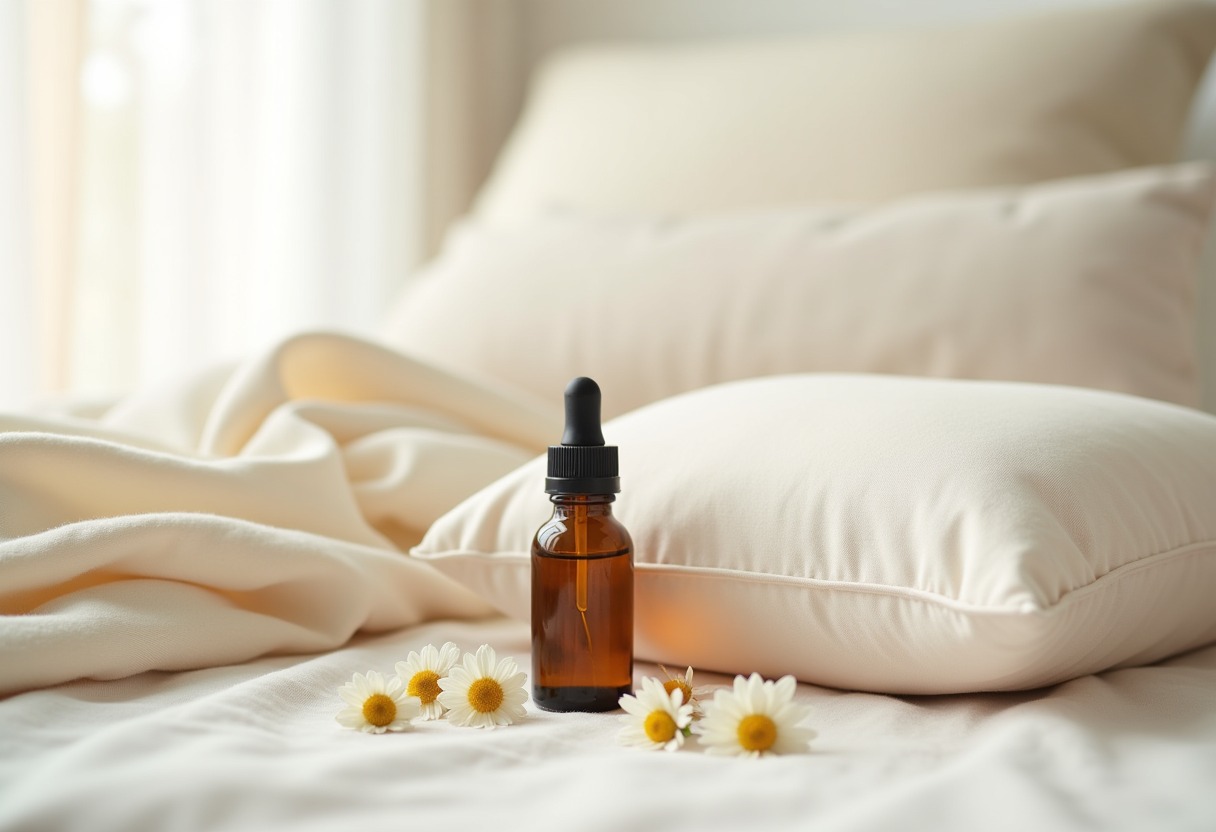
Pregnancy transforms your relationship with scents, making some beloved fragrances suddenly overwhelming while creating new cravings for comfort and calm. Essential oils can offer powerful relief from common pregnancy discomforts like nausea, insomnia, and anxiety — but only when used with careful attention to safety protocols that protect both mother and developing baby.
Why Essential Oil Safety Becomes Critical During Pregnancy
Essential oils cross the placental barrier, meaning whatever compounds reach your bloodstream can potentially affect your developing baby. During the first trimester, when organ development occurs most rapidly, this transfer becomes especially concerning with certain oils known to have hormonal effects or uterine-stimulating properties.
The American Pregnancy Association recommends complete avoidance of essential oils during the first trimester unless under direct supervision from a healthcare provider trained in aromatherapy. After 12 weeks, many gentle oils become safer options when properly diluted and used sparingly.
Hormonal changes during pregnancy also alter your scent sensitivity and absorption rates through skin and lungs. What felt like a mild, pleasant concentration before pregnancy might now trigger nausea or headaches, while your skin may absorb oils more readily due to increased blood flow and changes in skin barrier function.
Essential Oils to Completely Avoid During Pregnancy
These oils carry documented risks of miscarriage, premature labor, or developmental concerns and should never be used during pregnancy or breastfeeding:
High-Risk Oils:
- Clary Sage - Contains sclareol, which mimics estrogen and can stimulate uterine contractions
- Rosemary - High camphor content affects nervous system development
- Sage - Contains thujone, toxic to developing nervous systems
- Wintergreen - Nearly pure methyl salicylate, similar to aspirin which is contraindicated in pregnancy
- Basil - Contains estragole, a potential carcinogen and hormone disruptor
- Fennel - Trans-anethole content can affect hormonal balance
- Juniper - May affect kidney function and blood pressure
- Marjoram - Can stimulate menstrual flow and uterine contractions
- Oregano - Too potent and can irritate mucous membranes
- Thyme - High phenol content is overly stimulating
Oils to Use Only Under Professional Guidance: Even experienced aromatherapy users should consult healthcare providers before using jasmine, rose otto, or ylang-ylang, as these can affect blood pressure and heart rate — both already stressed during pregnancy.
Safe Essential Oils by Trimester
Your oil options expand as pregnancy progresses, but dilution rates and application methods remain crucial for safety.
| Trimester | Safe Options | Dilution Rate | Best Uses | |-----------|--------------|---------------|-----------| | First (0-12 weeks) | None recommended without medical supervision | N/A | Avoid all essential oils | | Second (13-26 weeks) | Lavender, Sweet Orange, Lemon, Grapefruit | 0.5-1% (3-6 drops per ounce carrier) | Gentle diffusion, pregnancy massage oils | | Third (27+ weeks) | Add Chamomile, Bergamot, Frankincense, Sandalwood | 1-1.5% (6-9 drops per ounce carrier) | Labor preparation, sleep support | | Postpartum | Gradual return to pre-pregnancy usage | Up to 2% with caution | Recovery support, mood balance |
Second Trimester Safe Options:
Lavender remains the gold standard for pregnancy aromatherapy. Choose Lavandula angustifolia specifically — avoid spike lavender (Lavandula latifolia) which contains higher camphor levels. → Shop pregnancy safe essential oils on Amazon
Citrus oils (sweet orange, lemon, grapefruit) offer gentle mood lifting and nausea relief. Always use cold-pressed citrus oils and avoid sun exposure after topical application due to photosensitivity.
Third Trimester Additions:
Roman Chamomile provides deeper relaxation support without the contraindications of German chamomile. Use for sleep difficulties and anxiety as delivery approaches.
Bergamot combines mood support with digestive comfort — helpful as baby's position affects stomach space. Choose bergapten-free versions to avoid photosensitivity.
Frankincense offers grounding properties during the emotional intensity of late pregnancy. Its gentle nature makes it suitable for meditation and breathing practices.
Safe Application Methods and Proper Equipment
Diffusion provides the safest delivery method during pregnancy, offering therapeutic benefits while minimizing absorption through skin contact. Choose ultrasonic diffusers over nebulizing types, which can over-concentrate oils in room air.
Diffusion Guidelines:
- Run diffuser for 30-minute intervals maximum
- Use 3-4 drops total in bedroom-sized spaces
- Maintain good ventilation
- Stop immediately if any oil triggers nausea or headaches
For topical application, proper dilution becomes non-negotiable. Essential Oil Dilution Ratios Safe Aromatherapy Concentrations provides detailed guidance, but pregnancy requires even more conservative ratios.
Carrier Oil Selection: Sweet almond, jojoba, and fractionated coconut oil offer gentle, non-comedogenic bases for prenatal massage oils. Our Essential Oil Carrier Oils Guide covers detailed properties of each option.
Avoid these application methods entirely during pregnancy:
- Internal consumption of any essential oil
- Neat (undiluted) application to skin
- Steam inhalation with oils added to water
- Use in bath water without proper dispersant
Professional Resources and Product Recommendations
Building your pregnancy-safe aromatherapy collection requires careful product selection and reliable reference materials.
Educational Resources: A comprehensive pregnancy aromatherapy book becomes invaluable for navigating changing needs throughout pregnancy and postpartum. Look for texts authored by certified aromatherapists with prenatal specialization.
Professional essential oil reference guides help identify contraindications and safe usage parameters for oils not commonly discussed in pregnancy contexts.
Equipment Considerations: Your current diffuser setup may need adjustment for pregnancy sensitivity. The Best Essential Oil Diffusers 2026 guide covers models with adjustable output controls — essential for finding comfortable concentration levels that change throughout pregnancy.
For stress relief specifically, our Best Aromatherapy Diffusers Stress Relief 2026 recommendations include models with timer functions and gentle misting patterns suitable for pregnancy use.
Quality Sourcing: Pregnancy demands the highest quality oils available. Avoid synthetic fragrances or oils without complete botanical names and country of origin information. Organic certification becomes especially valuable during pregnancy to minimize pesticide exposure.
Advanced Safety Considerations Most Sources Miss
Interaction with Pregnancy Medications: Essential oils can affect how your body processes prescription medications, particularly those for pregnancy-related conditions like gestational diabetes or hypertension. Always inform healthcare providers about aromatherapy use before starting new medications.
Environmental Sensitivity Changes: Pregnancy often triggers new environmental sensitivities that persist postpartum. Start with single oils rather than blends to identify potential triggers. What works beautifully in your second trimester might become intolerable by your third.
Partner and Household Considerations: Your partner's cologne or household cleaning products may suddenly become overwhelming due to pregnancy scent sensitivity. Consider switching to gentler alternatives during this period — the Best Essential Oils For Sleep guide offers bedroom-specific recommendations that won't trigger sensitivity.
Postpartum Transition: Breastfeeding continues many pregnancy safety requirements. Oils that stimulate milk production (like fennel) require different considerations than those that might decrease supply. Plan your postpartum aromatherapy approach during pregnancy rather than waiting until after delivery.
Storage and Shelf Life: Pregnancy-safe oils often differ from your previous collection. Proper storage becomes crucial for maintaining therapeutic properties without degradation that could create irritating compounds. Our Essential Oil Storage guide covers optimal preservation methods for extended pregnancy and nursing periods.
FAQ
Can I use essential oils for morning sickness safely? Gentle citrus oils like sweet orange and lemon can help with nausea when diffused at low concentrations after the first trimester. Start with just 1-2 drops in your diffuser and run for short intervals. Ginger essential oil shows promise for morning sickness but requires professional guidance due to its potency. Never apply oils to pulse points for nausea relief during pregnancy — the absorption risks outweigh potential benefits. Some women find that simply inhaling citrus oils directly from the bottle provides relief without extended exposure.
Which essential oils can help with pregnancy insomnia? Lavender (Lavandula angustifolia) remains the safest and most effective option for pregnancy sleep support after 12 weeks. Roman chamomile can be added in the third trimester for deeper relaxation. Use 2-3 drops total in a bedroom diffuser 30 minutes before bedtime, then turn off before sleep. Avoid using sleep blends designed for non-pregnant individuals, as they often contain contraindicated oils like clary sage or marjoram. Creating a consistent bedtime routine with the same gentle oils helps signal sleep readiness to your changing body.
Is it safe to get prenatal massages with essential oils? Professional prenatal massage therapists trained in aromatherapy can safely incorporate properly diluted essential oils after the first trimester. The dilution should not exceed 1% (about 6 drops per ounce of carrier oil), and only pregnancy-safe oils should be used. Always inform your massage therapist about your pregnancy stage and any sensitivity concerns. Many therapists prefer unscented massage during pregnancy to avoid triggering nausea or headaches. If you're receiving massage from a partner at home, stick to carrier oils without essential oil additions unless you've consulted with a certified aromatherapist.
Can essential oils affect my baby's development? Essential oils cross the placental barrier, so compounds that reach your bloodstream can potentially affect your developing baby. This is why certain oils with hormonal effects, neurotoxic compounds, or uterine-stimulating properties are completely avoided during pregnancy. However, gentle oils like lavender and sweet orange, when used appropriately after the first trimester, have not shown adverse effects in pregnancy studies. The key lies in proper dilution, limited exposure, and choosing oils without contraindicated compounds. Always prioritize diffusion over topical application to minimize absorption levels.
What should I do if I accidentally used a contraindicated essential oil during pregnancy? Contact your healthcare provider immediately if you used a high-risk oil, especially during the first trimester or in high concentrations. Document what oil you used, how much, the application method, and when it occurred. Most single exposures to small amounts don't cause harm, but medical evaluation ensures appropriate monitoring. Avoid inducing vomiting or trying to "flush out" the oil with excessive water consumption. For minor exposures to moderately concerning oils, increased hydration and fresh air may help your body process and eliminate compounds more quickly, but medical guidance remains essential for peace of mind and proper care.
Understanding essential oil safety during pregnancy empowers you to create supportive, nurturing scent experiences that honor both your wellness needs and your baby's development — turning this transformative time into an opportunity for deeper, more mindful aromatherapy practice.
Some links on this page are affiliate links. We may earn a small commission if you purchase through them, at no extra cost to you.
As an Amazon Associate we earn from qualifying purchases. This article contains affiliate links; if you buy through them we may earn a small commission at no additional cost to you.