 Aroma Tranquility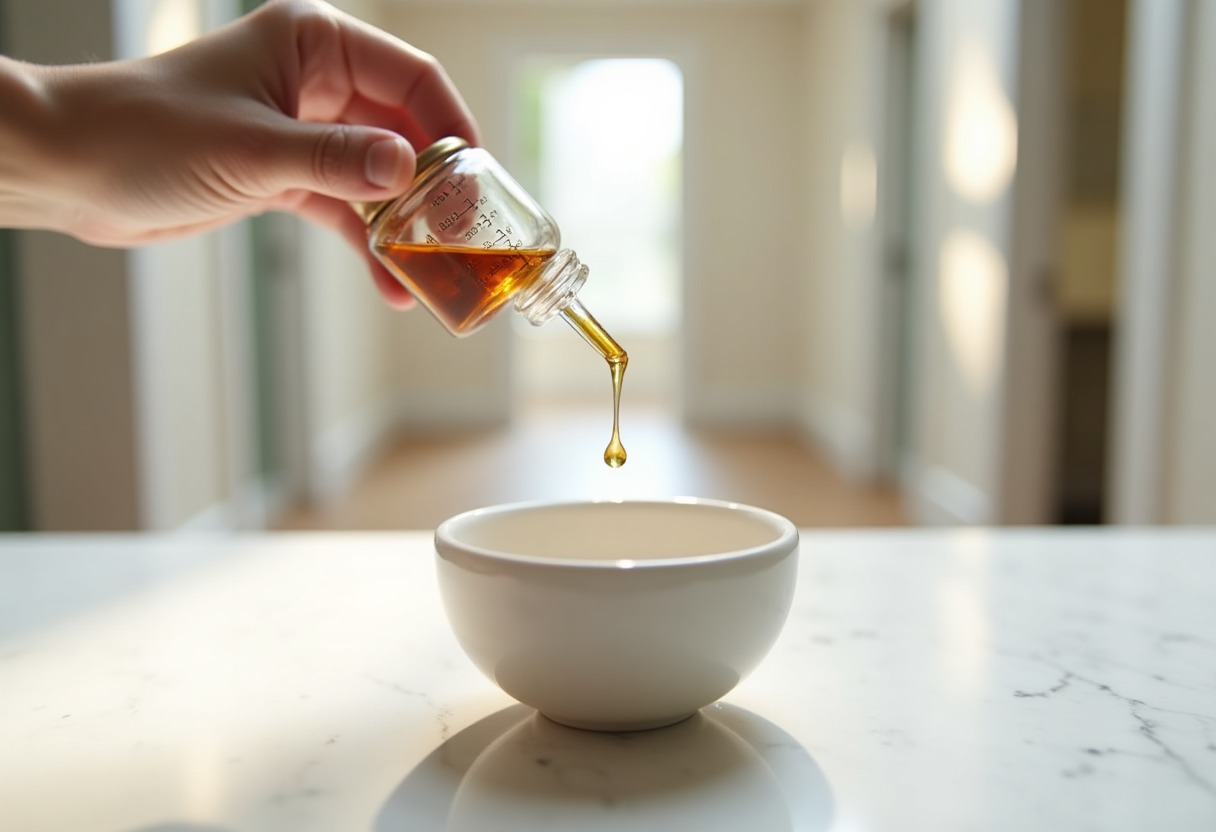
Using too much essential oil turns your peaceful sanctuary into an overwhelming scent bomb, while too little leaves you wondering if your diffuser even works. The concentration sweet spot depends on your room size, diffuser type, and intended use — and getting it right makes all the difference between therapeutic aromatherapy and wasted oils.
Why Essential Oil Concentration Matters More Than You Think
Essential oil concentration isn't just about scent strength. The therapeutic compounds in essential oils work within specific dosage ranges, and exceeding those ranges can cause headaches, skin irritation, or respiratory discomfort. According to the NIH, essential oils contain potent bioactive compounds that require careful dosing for both safety and effectiveness.
Room size directly affects how oils disperse and concentrate in your space. A 100-square-foot bedroom requires significantly less oil than a 400-square-foot living room to achieve the same therapeutic effect. Your diffuser type also matters — ultrasonic diffusers dilute oils in water, while nebulizing diffusers disperse pure oil particles, requiring different concentration approaches.
The therapeutic window for most essential oils falls between 0.5% and 2% concentration in the air. Below this range, you won't experience meaningful benefits. Above it, you risk overwhelming your olfactory system and missing the subtle therapeutic effects that make aromatherapy worthwhile.
Essential Oil Drops by Room Size and Diffuser Type
Small spaces amplify essential oil intensity, while larger rooms dilute the same amount of oil across more air volume. Start with these baseline measurements and adjust based on your sensitivity and desired effect intensity.
For bedrooms (100-150 square feet), begin with 3-5 drops in ultrasonic diffusers or 2-3 drops in nebulizing diffusers. Medium rooms like home offices (150-300 square feet) handle 5-8 drops in ultrasonic models or 3-5 drops in nebulizers. Large living areas (300-500 square feet) can accommodate 8-12 drops in ultrasonic diffusers or 5-8 drops in nebulizing units.
→ Shop ultrasonic essential oil diffusers on Amazon
Open floor plans over 500 square feet need either multiple diffusers or higher concentrations — up to 15 drops in large ultrasonic diffusers or 10 drops in powerful nebulizers. Always start at the lower end and increase gradually. Your nose adapts to scents within 15-20 minutes, so give each adjustment time before adding more oil.
Different essential oils have varying potency levels. Strong oils like eucalyptus, peppermint, and cinnamon require 25-50% fewer drops than the baseline recommendations. Gentle oils like lavender, orange, and frankincense can handle the full recommended amounts or slightly more.
Concentration Guidelines for Specific Uses and Situations
Different aromatherapy goals require different concentration approaches. Sleep blends work best at lower concentrations to avoid overstimulation, while focus blends need slightly higher concentrations for energizing effects.
| Use Case | Small Room (3-5 drops) | Medium Room (5-8 drops) | Large Room (8-12 drops) | Duration | |----------|------------------------|-------------------------|-------------------------|----------| | Sleep & Relaxation | 2-3 drops | 3-5 drops | 5-8 drops | 30-60 minutes | | Focus & Productivity | 4-6 drops | 6-9 drops | 9-14 drops | 2-3 hours | | Mood Enhancement | 3-5 drops | 5-8 drops | 8-12 drops | 1-2 hours | | Respiratory Support | 5-7 drops | 7-10 drops | 10-15 drops | 15-30 minutes |
For sleep and relaxation, use the lower end of concentration ranges. Best Essential Oils For Sleep like lavender and chamomile work most effectively at gentle concentrations that won't disrupt your natural sleep patterns. Run these blends for 30-60 minutes before bedtime, then turn off the diffuser to avoid scent adaptation.
Productivity and focus blends benefit from slightly higher concentrations and longer diffusion periods. Essential Oils Focus Productivity combinations like rosemary and peppermint can handle more robust dosing without becoming overwhelming during work sessions.
Respiratory support requires the highest safe concentrations for short periods. Eucalyptus and tea tree oils work best at maximum recommended doses for 15-30 minute sessions, providing concentrated therapeutic benefits without prolonged exposure.
Product Recommendations for Accurate Dosing
Precise essential oil measurement prevents waste and ensures consistent results. Standard essential oil bottles deliver approximately 20 drops per milliliter, but drop size varies between bottles and oil viscosity.
→ Shop essential oil measuring droppers on Amazon provide exact measurements for consistent dosing. Glass droppers with measurement markings eliminate guesswork and help you track usage patterns for different room sizes.
For ultrasonic diffusers, choose models with adjustable mist settings and timer functions. Best Essential Oil Diffusers 2026 reviews cover specific models that excel at consistent oil distribution across different room sizes. Look for diffusers with 100-300ml water tanks for small to medium rooms, or 400-500ml tanks for larger spaces.
→ Shop nebulizing diffusers on Amazon offer the most potent oil delivery but require careful dosing. These units don't use water, so they disperse pure oil particles directly into the air. Start with half the drops you'd use in an ultrasonic model.
Digital timers and programmable settings help maintain optimal concentration levels without manual monitoring. → Shop diffuser timer settings on Amazon for models that automatically cycle on and off, preventing scent adaptation and oil overuse.
Advanced Concentration Strategies Most Guides Miss
Scent layering creates complex aromatherapy experiences using multiple concentration levels throughout your day. Start with light base notes in living areas, add complementary middle notes in transition spaces, and finish with therapeutic top notes in specific rooms. How To Layer Scents explains the technical approach to building scent profiles that don't compete or overwhelm.
Seasonal concentration adjustments account for changing air circulation and humidity levels. Winter heating systems create drier air that carries scents more intensely, requiring 20-30% fewer drops than summer recommendations. Open windows and fans in warmer months dissipate oils faster, necessitating slightly higher concentrations or more frequent diffusion cycles.
Oil blending ratios affect overall concentration needs. How To Blend Essential Oils Guide covers the mathematics of creating balanced blends where individual oil concentrations complement rather than compete. A three-oil blend typically requires 25% fewer total drops than single-oil applications because the combined aromatic molecules create fuller scent profiles.
Personal sensitivity calibration helps you find your optimal concentration range. Start a scent journal tracking room size, drops used, diffusion time, and your comfort level. Most people find their ideal range within 2-3 testing sessions per room size. Once established, these personal baselines serve as reference points for new oils and blends.
FAQ
How do I know if I'm using too much essential oil in my diffuser?
Signs of excessive concentration include headaches within 30 minutes of diffusion, feeling overwhelmed by the scent intensity, or detecting the fragrance from other rooms when doors are closed. You might also notice respiratory irritation, difficulty concentrating, or the scent seeming "heavy" rather than uplifting. Reduce your drops by 25-50% and see if symptoms disappear. Most people find their comfort zone uses fewer drops than they initially expected.
Can I use the same concentration for all essential oils in the same room?
Different essential oils have vastly different potency levels, so the same drop count can produce dramatically different intensities. Strong oils like eucalyptus, peppermint, cinnamon, and clove need 50-75% fewer drops than gentle oils like lavender, sweet orange, or frankincense. Create separate baseline measurements for high-potency oils (use 2-3 drops where you'd normally use 5) and gentle oils (can often handle 1-2 extra drops beyond your baseline). Essential Oil Dilution Ratios Safe Aromatherapy Concentrations provides specific potency rankings for common oils.
Should I adjust essential oil concentration based on how long I'll be in the room?
Absolutely — exposure duration directly impacts safe concentration levels. For short exposures (15-30 minutes), you can safely use slightly higher concentrations for therapeutic benefits. Medium exposures (1-3 hours) work best with moderate concentrations that won't cause adaptation fatigue. Long exposures (over 3 hours) require the lowest concentrations to prevent sensory overload and potential side effects. Your nose adapts to scents within 20 minutes, so longer sessions benefit more from lower, consistent concentrations than high initial doses.
How do humidity and air circulation affect essential oil concentration needs?
High humidity slows scent diffusion and makes fragrances feel heavier, so you'll need 15-25% fewer drops in humid conditions or during summer months. Low humidity (winter heating, air conditioning) carries scents more efficiently, often requiring concentration reductions of 20-30%. Good air circulation distributes oils evenly but also disperses them faster, potentially requiring slightly higher concentrations or more frequent diffusion cycles. Poor circulation creates scent pockets, where some areas smell overwhelming while others barely register fragrance.
What's the safest way to test essential oil concentrations in a new room?
Start with the absolute minimum recommended drops for your room size (typically 2-3 drops regardless of space), then increase by single drops every 30-45 minutes until you reach your desired intensity. Keep a simple log noting room size, oil type, total drops, and your comfort rating on a 1-10 scale. This gradual approach prevents overwhelming yourself and helps establish personal baselines for different oils and spaces. Never start with maximum recommendations — essential oils are potent, and you can always add more but can't easily remove excess concentration from the air.
Master these concentration principles and your aromatherapy practice transforms from hit-or-miss scenting to precise therapeutic tool.
Some links on this page are affiliate links. We may earn a small commission if you purchase through them, at no extra cost to you.
As an Amazon Associate we earn from qualifying purchases. This article contains affiliate links; if you buy through them we may earn a small commission at no additional cost to you.