 Aroma Tranquility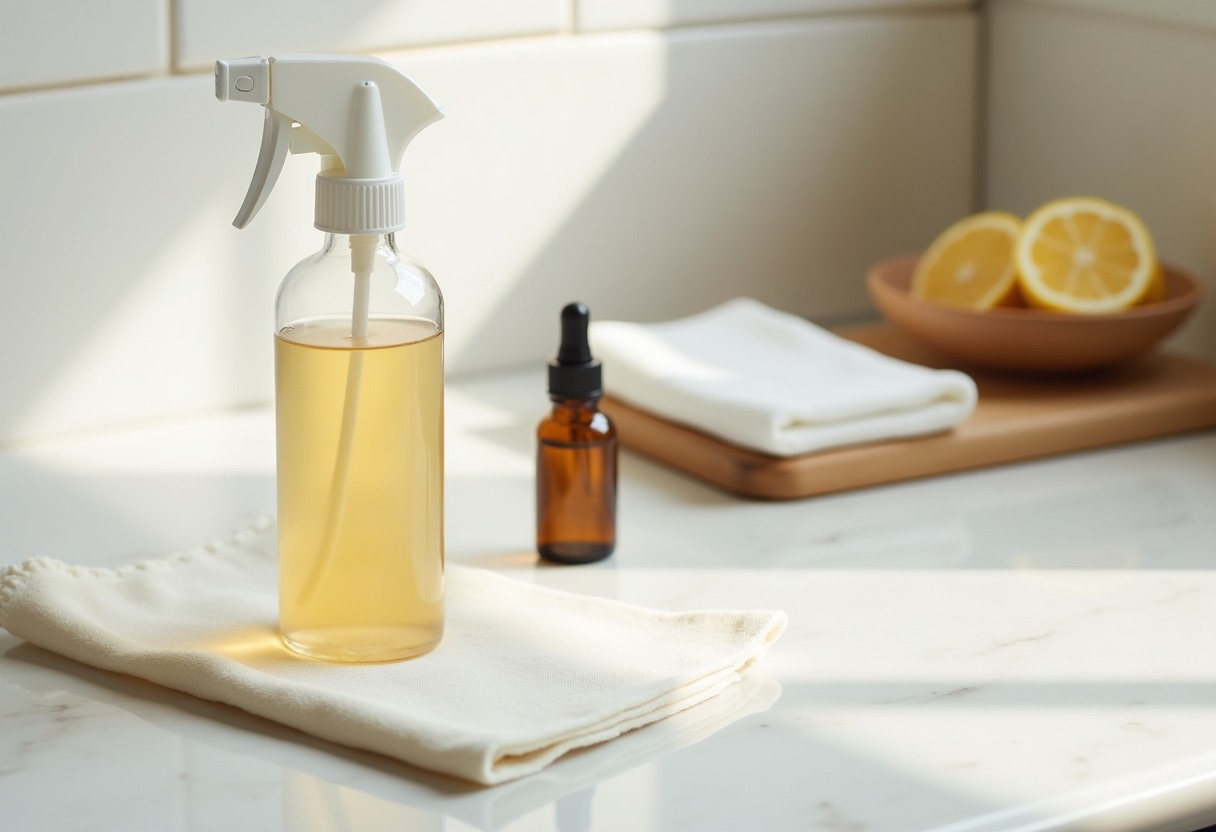
Most essential oil cleaning guides promise miracles but skip the concentrations that actually matter. The difference between a surface that smells nice and one that's genuinely cleaner comes down to specific dilution ratios, the right carrier ingredients, and understanding which oils have documented antimicrobial properties versus which just smell clean.
Why Essential Oils Work for Cleaning (and Where They Don't)
Certain essential oils contain compounds with real antimicrobial activity. Tea tree oil's terpinen-4-ol, for example, has demonstrated effectiveness against bacteria and fungi in laboratory studies documented by the National Institutes of Health. Lemon oil contains d-limonene, a natural solvent that cuts through grease. Eucalyptus oil has 1,8-cineole, which shows antibacterial properties.
But essential oils aren't EPA-registered disinfectants. They won't sterilize surfaces the way bleach or alcohol-based cleaners do. What they do exceptionally well: daily maintenance cleaning, deodorizing, and reducing common household bacteria and mold in concentrations between 0.5-2%. For actual disinfection during illness or high-risk situations, you still need conventional products.
The best approach treats essential oils as part of a complete cleaning system. Use them for routine cleaning, scent, and mild antimicrobial support. Keep proper disinfectants for kitchens after handling raw meat, bathrooms during stomach bugs, and other situations requiring true sanitization.
When making DIY cleaners, → Shop tea tree essential oil on Amazon, → Shop lemon essential oil on Amazon, and → Shop eucalyptus essential oil on Amazon form your core trio. Choose therapeutic-grade oils from reputable suppliers—check our Essential Oil Quality Grades Understanding Therapeutic Grade Organic Marketing Claims guide for what those terms actually mean.
The Five Most Effective Antibacterial Essential Oils
Not all oils perform equally in cleaning applications. These five have the strongest evidence and practical track records:
Tea tree oil stands as the most researched antibacterial essential oil. Use it at 1-2% concentration in all-purpose cleaners, especially for bathrooms and kitchens. It has a medicinal scent that fades as it dries. Never use undiluted—it's too strong and wasteful.
Lemon oil works as both a degreaser and mild antibacterial. The d-limonene content dissolves sticky residue, fingerprints, and light grease buildup. It's photosensitive, meaning it can stain surfaces exposed to direct sunlight, so avoid using it on windowsills or outdoor furniture. Great for stainless steel and cutting boards.
Eucalyptus oil excels in bathrooms and laundry applications. It tackles mildew, soap scum, and musty odors. The sharp, clean scent complements mint or citrus blends well. Use 10-15 drops per 16-ounce spray bottle.
Peppermint oil contains menthol, which has some antimicrobial properties but shines more as an ant and spider deterrent. Spray it along baseboards and entry points. The cooling scent works well in kitchens and doesn't clash with food prep.
Lavender oil has gentler antibacterial properties but brings excellent deodorizing power. Use it in bedroom and linen sprays, or blend it with stronger oils to soften their medicinal edge. The calming scent makes cleaning less of a chore—similar to how people use Best Candles For Bath to create ambiance.
Store your oils properly to maintain potency. Our Essential Oil Storage and Essential Oil Shelf Life guides cover the specifics, but the short version: dark glass bottles, cool locations, tight caps.
Kitchen Cleaning Recipes
All-Purpose Counter Spray
- 2 cups distilled water
- 2 tablespoons white vinegar
- 15 drops lemon oil
- 10 drops tea tree oil
- 5 drops peppermint oil
Mix in a → Shop glass spray bottles for cleaning on Amazon. Shake before each use. The vinegar boosts cleaning power and helps emulsify the oils. Wipe with a microfiber cloth. Avoid using on granite or marble—the acid can etch natural stone. For those surfaces, skip the vinegar and increase water to 2.25 cups.
Degreasing Dish Soap Boost Add 3 drops lemon oil and 2 drops orange oil to your dish soap bottle (16 oz). Shake gently. This cuts through baked-on grease better than soap alone. The oils break down lipids, making scrubbing easier.
Garbage Disposal Refresher Drop 2-3 lemon oil drops on a halved lemon, toss it in the disposal with ice cubes, and run cold water while grinding. The ice sharpens blades, the lemon cleans them, and the oil eliminates odors trapped in the rubber splash guard.
Bathroom Cleaning Formulas
Mold and Mildew Spray
- 2 cups water
- 1/4 cup white vinegar
- 20 drops tea tree oil
- 10 drops eucalyptus oil
Spray directly on grout, shower curtains, and tile. Let sit 10 minutes before scrubbing. Tea tree oil specifically targets mold spores. For existing heavy mold, use this as maintenance after treating with a conventional mold killer first.
Toilet Bowl Cleaner
- 1 cup baking soda
- 1/4 cup liquid castile soap
- 15 drops tea tree oil
- 10 drops peppermint oil
Mix into a paste. Apply inside the bowl, let sit 15 minutes, scrub with a toilet brush, and flush. The baking soda provides gentle abrasion without scratching porcelain.
Mirror and Glass Cleaner
- 1 cup distilled water
- 1 cup white vinegar
- 10 drops lemon oil
Spray lightly and wipe with crumpled newspaper or a lint-free cloth. Too much oil leaves streaks, so keep the concentration under 1%.
Bedroom and Living Area Applications
Fabric Refresher Spray
- 2 cups distilled water
- 1 tablespoon witch hazel
- 12 drops lavender oil
- 8 drops eucalyptus oil
Mist lightly on curtains, upholstered furniture, and bedding. The witch hazel helps the oils disperse and adds mild astringent properties. This doesn't replace washing—it extends time between deep cleans. For actual aromatherapy benefits in bedrooms, our Best Essential Oil Diffusers Every Room guide covers devices designed for continuous scent diffusion.
Wood Polish Alternative
- 1/4 cup olive oil
- 1/4 cup white vinegar
- 10 drops lemon oil
Shake vigorously before each use. Apply a small amount to a soft cloth and buff wood furniture. Test on an inconspicuous area first. This works on finished wood only—never use oil-based cleaners on unsealed wood.
Carpet Deodorizing Powder
- 1 cup baking soda
- 15 drops lavender oil
- 10 drops lemon oil
Mix thoroughly and let sit overnight in a sealed jar so the oils fully absorb. Sprinkle on carpets, wait 15 minutes, vacuum thoroughly. The baking soda absorbs odors while the oils add scent.
Essential Oil Cleaning Effectiveness Comparison
| Essential Oil | Best Applications | Concentration Range | Scent Profile | Cautions | |--------------|-------------------|---------------------|---------------|----------| | Tea tree | Bathrooms, mold, general antibacterial | 1-2% | Medicinal, camphorous | Toxic to pets; never use undiluted | | Lemon | Degreasers, stainless steel, cutting boards | 0.5-1.5% | Fresh, bright citrus | Photosensitive; can stain in sunlight | | Eucalyptus | Laundry, mildew, floor cleaners | 1-2% | Sharp, clean, minty | May irritate sensitive skin undiluted | | Lavender | Fabric refreshers, bedrooms, gentle cleaning | 1-1.5% | Floral, herbaceous, calming | Generally safe; rare contact sensitivity | | Peppermint | Kitchens, pest deterrent, deodorizing | 0.5-1% | Cool, minty, invigorating | Strong scent; use sparingly around babies |
Understanding proper Essential Oil Dilution Ratios Safe Aromatherapy Concentrations matters as much for cleaning as it does for topical use. A 1% dilution means roughly 6 drops of essential oil per ounce of carrier liquid. Most cleaning sprays work best at 0.5-2% total essential oil content.
Laundry and Floor Cleaning
Washing Machine Freshener Add 5-7 drops eucalyptus or tea tree oil to the fabric softener dispenser. This tackles musty odors in towels and gym clothes. For front-loaders prone to mildew, run a monthly cleaning cycle with 2 cups white vinegar and 20 drops tea tree oil—no clothes, hot water.
Dryer Sheets Alternative Drop 2-3 drops lavender oil on a damp washcloth and toss it in the dryer. It provides light scent without synthetic fragrance chemicals. The heat helps the scent disperse through clothes.
Hardwood Floor Cleaner
- 1 gallon warm water
- 1/4 cup white vinegar
- 10 drops lemon oil
- 8 drops orange oil
Use a barely damp mop—excess water damages hardwood. This formula cleans and adds a protective shine. For sealed floors only. If you're unsure whether your floors are sealed, test in a closet first.
Tile Floor Cleaner
- 1 gallon hot water
- 1/2 cup white vinegar
- 15 drops tea tree oil
- 10 drops eucalyptus oil
Mop as usual. The tea tree oil discourages mold growth in grout lines. For stubborn grout stains, make a paste of baking soda with 3-4 drops tea tree oil, scrub with an old toothbrush, rinse thoroughly.
Pet-Safe Cleaning Considerations
Essential oils affect pets differently than humans. Tea tree, eucalyptus, peppermint, and citrus oils can be toxic to cats and dogs if ingested or applied directly to skin. Use them in well-ventilated areas, let surfaces dry completely before pets contact them, and never spray directly on pet bedding.
The safest approach for homes with pets: use essential oils only in diluted cleaning solutions (under 1% concentration), ensure pets aren't in the room during application, and let everything dry fully before allowing pet access. For pet beds and toys, stick to unscented cleaners or mild castile soap.
Diffusing oils is different from cleaning with them—check our Best Essential Oil Diffusers 2026 guide for pet-safe diffusing practices, which generally involve shorter run times and greater dilution than cleaning applications require.
Storage and Safety Basics
Store DIY cleaners in → Shop empty cleaning product bottles on Amazon that are clearly labeled. Essential oil cleaners typically last 1-3 months when stored in cool, dark places. The oils oxidize over time, losing effectiveness and potentially becoming skin irritants.
Never mix essential oil cleaners with bleach or ammonia-based products. While essential oils themselves are natural, the chemical reactions between different cleaning agents can create toxic fumes. Use your DIY cleaners separately from conventional products, not as mixtures.
Wear gloves when using concentrated essential oil cleaners if you have sensitive skin. Even diluted oils can cause reactions in some people, particularly with repeated exposure. If you're making larger batches for seasonal deep cleaning, consider wearing safety glasses—vinegar and citrus oils sting if they splash into eyes.
Understanding Essential Oil Concentration Guide principles helps you adjust recipes for different purposes. Countertops might need 1% concentration, while floor cleaning can handle 0.5% since it's more diluted by water volume.
What Professional Cleaners Won't Tell You
Most commercial "natural" cleaners use essential oils at 0.1-0.3% concentration—barely enough for scent, not cleaning power. You're paying $8-12 for products you can make for under $2 per batch when you control the ingredients and concentrations.
Essential oils work best on fresh messes and for maintenance cleaning. For deep cleaning or heavily soiled areas, you'll need stronger mechanical action (scrubbing) or conventional cleaners first, then maintain with essential oil formulas.
The scent doesn't equal cleaning power. A surface can smell like lemon or lavender but still harbor bacteria if you didn't use enough oil, the right carrier (vinegar or soap), or proper contact time. Most DIY cleaners need 30-60 seconds of contact before wiping to allow the antimicrobial compounds to work.
Rotate your oils seasonally to prevent olfactory fatigue. What smells clean and fresh in January might bore you by April. This also helps you avoid overexposure to any single compound. Similar to creating Morning Scent Ritual practices, variety keeps the experience meaningful rather than background noise.
FAQ
Can essential oil cleaners actually disinfect surfaces? No, they can't. Essential oils reduce bacterial and fungal loads but aren't EPA-registered disinfectants capable of killing 99.9% of pathogens. Use them for routine cleaning and conventional disinfectants when true sanitization matters—after handling raw meat, during illness, or in high-risk situations.
What concentration of essential oils works best for cleaning? Most effective cleaning solutions use 0.5-2% essential oil concentration, which translates to 6-12 drops per 16-ounce spray bottle of carrier liquid. Lower concentrations (0.5-1%) work for light maintenance; higher concentrations (1.5-2%) handle tougher jobs like mold or heavy degreasing.
Are essential oil cleaners safe around children and pregnant women? Yes, when properly diluted and used in ventilated spaces. The concentrations in cleaning solutions (under 2%) are far lower than topical aromatherapy applications. Avoid spraying directly on surfaces children will immediately touch, and check Essential Oils Pregnancy Safety for specific guidance on which oils to avoid during pregnancy.
How long do homemade essential oil cleaners last? Most DIY cleaners remain effective for 1-3 months when stored in dark glass or opaque plastic bottles away from heat and light. The oils oxidize over time, and water-based solutions can develop bacterial growth beyond three months. Make smaller batches more frequently rather than storing large quantities.
Can I use essential oil cleaners on all surfaces? No. Avoid using acidic cleaners (those containing vinegar or citrus oils) on natural stone like granite, marble, or travertine—they can etch and dull the finish. Don't use oil-based cleaners on unsealed wood. Test any new formula on an inconspicuous area first, especially on finished furniture or specialty surfaces.
The Real Value of Essential Oil Cleaning
Essential oils for cleaning offer three genuine benefits: effective maintenance cleaning between deep-clean sessions, complete control over ingredients in your home, and scents that don't trigger the headaches many people get from synthetic fragrances. They won't replace every cleaning product you own, but they'll handle 70% of routine tasks while making your home smell like something you actually chose rather than whatever marketing departments decided "fresh" means this year.
Some links on this page are affiliate links. We may earn a small commission if you purchase through them, at no extra cost to you.
As an Amazon Associate we earn from qualifying purchases. This article contains affiliate links; if you buy through them we may earn a small commission at no additional cost to you.