 Aroma Tranquility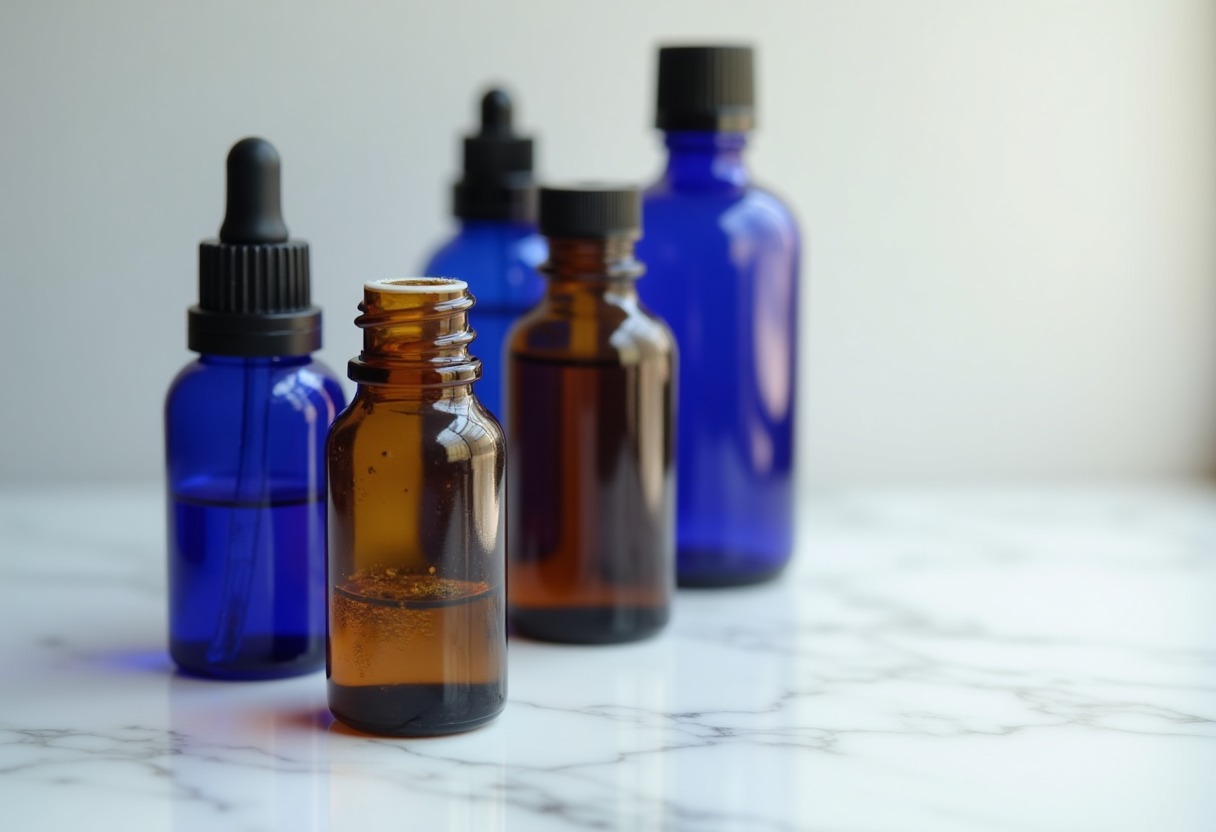
That lavender oil you bought three years ago? It's probably already turned. Essential oils degrade through oxidation — a chemical process that changes their molecular structure, reduces therapeutic benefits, and can actually cause skin irritation. Most oils last 1-3 years properly stored, but citrus oils can oxidize in as little as six months after opening.
Why Essential Oils Degrade Over Time
Essential oils are volatile organic compounds extracted from plants. The same chemical properties that give them therapeutic benefits — terpenes, aldehydes, esters — also make them reactive to oxygen, heat, and light. When these compounds oxidize, their molecular structure changes, altering both scent and safety profile.
Oxidation increases the risk of skin sensitization, particularly with oils high in monoterpenes like tea tree, lemon, and frankincense. Research shows that oxidized tea tree oil causes significantly higher rates of allergic contact dermatitis than fresh oil. This isn't about losing a bit of aroma — degraded oils can genuinely harm skin that tolerated them when fresh.
Heat accelerates oxidation exponentially. An oil stored at 77°F oxidizes roughly twice as fast as one stored at 59°F. Light exposure, especially UV rays, breaks down chemical bonds in minutes to hours depending on oil type. Air exposure matters too — every time you open a bottle, you introduce oxygen that starts the degradation process. If you're using oils in aromatherapy diffusers or roller blends, you're opening bottles frequently, which shortens their viable life.
Essential Oil Shelf Life by Type
Not all oils age at the same rate. Chemical composition determines vulnerability to oxidation. Here's what actually matters:
Citrus oils have the shortest shelf life — typically 6-12 months after opening. Lemon, lime, grapefruit, bergamot, and sweet orange contain high levels of limonene, a monoterpene that oxidizes rapidly. Even properly stored citrus oils noticeably degrade within a year. If you use citrus oils regularly in diffuser blends, buy smaller bottles and replace them annually.
Pine and conifer oils last 1-2 years. This category includes fir, spruce, pine, and cypress. They contain pinene and other terpenes that oxidize faster than heavier molecules but slower than citrus.
Most floral and herb oils last 2-3 years. Lavender, chamomile, clary sage, geranium, and ylang ylang fall into this mid-range category. Their mixed chemical profiles — combining alcohols, esters, and some terpenes — give them moderate stability.
Wood and resin oils can last 4-6 years or longer. Sandalwood, cedarwood, patchouli, vetiver, frankincense, and myrrh contain sesquiterpenes and heavy molecules that resist oxidation. Patchouli actually improves with age for the first few years, developing richer, more complex notes. These are the oils worth buying in larger quantities if you find a trusted source.
| Oil Type | Shelf Life After Opening | Primary Oxidation Factor | Storage Notes | |----------|-------------------------|--------------------------|---------------| | Citrus oils | 6-12 months | High limonene content | Buy small bottles, refrigerate if using slowly | | Pine/conifer oils | 1-2 years | Pinene oxidation | Store cool and dark, tighten caps immediately | | Floral/herb oils | 2-3 years | Mixed compound stability | Standard cool, dark storage sufficient | | Wood/resin oils | 4-6+ years | Sesquiterpene resistance | Most stable; patchouli improves with age |
Carrier oils follow different rules. Most vegetable oils used for dilution — like jojoba, sweet almond, and grapeseed — oxidize faster than essential oils. Check our Essential Oil Carrier Oils Guide for specific shelf lives and storage recommendations for carriers.
How to Tell If Your Essential Oils Have Gone Bad
Your nose is the first indicator. Fresh essential oils smell clear, bright, and true to their botanical source. Oxidized oils develop off-notes: citrus oils smell stale or slightly musty, lavender develops a sharp or metallic edge, and pine oils smell turpentine-like rather than forest-fresh.
Appearance changes signal degradation. Most essential oils should be clear or pale yellow. If an oil has darkened significantly, thickened, or developed cloudiness, oxidation is advanced. Tea tree oil often shifts from clear to amber as it ages. While some darkening is normal for certain oils over years, dramatic color shifts within months indicate problems.
Consistency shifts matter. Oils that feel noticeably thicker or syrupy than when purchased have likely oxidized. Some resinous oils naturally thicken slightly, but if you need to warm the bottle to get drops out when you didn't before, degradation has occurred.
Skin reactions are the clearest warning. If an oil that never bothered you suddenly causes redness, itching, or irritation, stop using it immediately. Oxidized oils cause sensitization even in people who previously tolerated them well. This is especially important if you're using oils for headache relief or congestion — degraded oils near mucous membranes or temples can cause serious discomfort.
Check the bottle itself. If you see residue buildup around the cap, oil seepage, or dried droplets on the outside, air has been getting in. This exposure accelerates oxidation from the top layer down.
Proper Storage Methods That Actually Extend Shelf Life
Dark glass bottles are non-negotiable. Amber or cobalt blue glass blocks UV light that degrades oils. If an oil arrives in clear glass, transfer it immediately to amber glass bottles with droppers. Never store essential oils in plastic — they dissolve certain polymers and leach chemicals.
Temperature control matters more than most people realize. Ideal storage temperature is 35-77°F. Room temperature works if the room stays consistently cool and dark. Refrigeration extends shelf life for citrus oils, though some oils like German chamomile or rose absolute may solidify and need warming before use. Never store oils in bathrooms — temperature fluctuations and humidity accelerate degradation.
Minimize air exposure every time you open a bottle. Here's the technique that preserves oils longest: tilt the bottle to dispense drops rather than removing the dropper cap and leaving the bottle open. If your bottle has a reducer cap (the plastic insert that dispenses one drop at a time), tighten it immediately after each drop. For oils you use infrequently, consider transferring small amounts to dark glass vials so you only expose a portion to repeated air contact.
Fill bottles as full as possible. The less airspace in a bottle, the less oxygen available for oxidation. When a bottle gets half-empty, transfer the oil to a smaller bottle. This matters especially for expensive oils like rose, neroli, or melissa that you use sparingly.
Organization prevents waste through neglect. An essential oil storage box or UV protection case keeps bottles upright, dark, and organized so you actually use oils before they degrade. Label bottles with purchase or opening dates. If you can't remember when you bought an oil, it's probably time to replace it. Check our Essential Oil Storage guide for detailed organizational systems.
What Most Guides Don't Tell You About Essential Oil Longevity
Blended oils oxidize faster than single oils. When you create a custom blend, the shelf life drops to match the most volatile oil in the mixture. A blend of cedarwood (6-year shelf life) and grapefruit (6-month shelf life) needs to be used within 6 months. If you love creating custom scent profiles, make smaller batches and date them clearly.
Dilution in carrier oil accelerates oxidation of the essential oil component. Pre-diluted roller bottles — even properly stored — rarely last more than 6-12 months. The carrier oil oxidizes first, affecting the essential oil. If you're making roller blends, make small batches and add vitamin E oil (a natural antioxidant) to extend shelf life slightly.
Opening frequency matters as much as storage conditions. An oil opened daily oxidizes faster than one opened monthly, even if both are stored identically. If you have a morning scent ritual that uses the same oils repeatedly, consider keeping a small working bottle for daily use and a larger backup bottle that stays sealed.
Batch variation exists even from reputable suppliers. Two bottles of the same oil from the same company can have slightly different shelf lives based on harvest conditions, distillation method, and time between distillation and bottling. This is why relying solely on purchase date isn't enough — you need to evaluate each bottle's actual condition.
The "therapeutic grade" label tells you nothing about freshness. Marketing terms like "therapeutic grade" or "clinical grade" aren't regulated and don't indicate whether an oil is fresh or properly stored. Our guide on Essential Oil Quality Grades breaks down what quality labels actually mean and which ones matter.
FAQ
How long do unopened essential oils last?
Unopened essential oils in dark glass bottles stored in cool, dark conditions typically last 3-5 years for most oils, up to 8-10 years for woods and resins. The seal prevents oxygen exposure, which is the primary degradation factor. However, heat and light still affect unopened bottles over time, so storage conditions matter even before you break the seal. Once you open a bottle, the clock starts regardless of how old it was unopened — a 4-year-old unopened lemon oil still only has 6-12 months after you first use it.
Can I still use essential oils past their expiration date?
Technically yes for diffusion, absolutely not for topical application. Oxidized oils used in diffusers lose therapeutic potency and smell off, but won't harm you through inhalation. Never apply expired oils to skin — oxidized monoterpenes cause allergic reactions and sensitization even in people who previously tolerated the oil. If you're using oils for stress relief or sleep support, degraded oils simply won't deliver the benefits you're seeking.
Should I refrigerate my essential oils?
Refrigeration extends shelf life for citrus oils and other highly volatile oils, but isn't necessary for most oils stored in consistently cool, dark conditions. If you refrigerate, be aware that some oils (rose absolute, German chamomile, vetiver) may solidify or become cloudy and need warming to room temperature before use. Never freeze essential oils — extreme cold can alter chemical structure. Room temperature storage in a dark cabinet away from heat sources works well for most collections. Only refrigerate if your home runs warm or you're trying to extend the life of expensive citrus oils you use infrequently.
Do essential oil blends expire faster than single oils?
Yes, significantly. A blend's shelf life matches its most volatile component. If you mix sandalwood (6-year shelf life) with lemon (6-month shelf life), the entire blend should be used within 6 months. This is why pre-made commercial blends often contain synthetic stabilizers or are primarily composed of longer-lasting oils. When making blends at home, create smaller quantities and date them clearly. If you're blending oils for specific purposes like anxiety relief or focus, make only what you'll use in the next few months.
What should I do with expired essential oils?
Add oxidized oils to unscented laundry detergent, mix into homemade cleaning products, or use in crafts like soap making where they won't contact skin directly. Never pour them down the drain — essential oils don't mix with water and can coat pipes. Don't put them in compost — they can inhibit beneficial bacteria. For safe disposal, mix expired oils with cat litter or coffee grounds in a sealed bag and throw in the trash. If you have a large quantity of expired oils, check if your local hazardous waste facility accepts them. The degraded therapeutic properties don't make oils useless, just unsuitable for aromatherapy and topical application.
Store your oils properly from day one, track their ages honestly, and trust your nose when something smells wrong — those three habits will keep your essential oil practice both safe and effective.
Some links on this page are affiliate links. We may earn a small commission if you purchase through them, at no extra cost to you.
As an Amazon Associate we earn from qualifying purchases. This article contains affiliate links; if you buy through them we may earn a small commission at no additional cost to you.