 Aroma Tranquility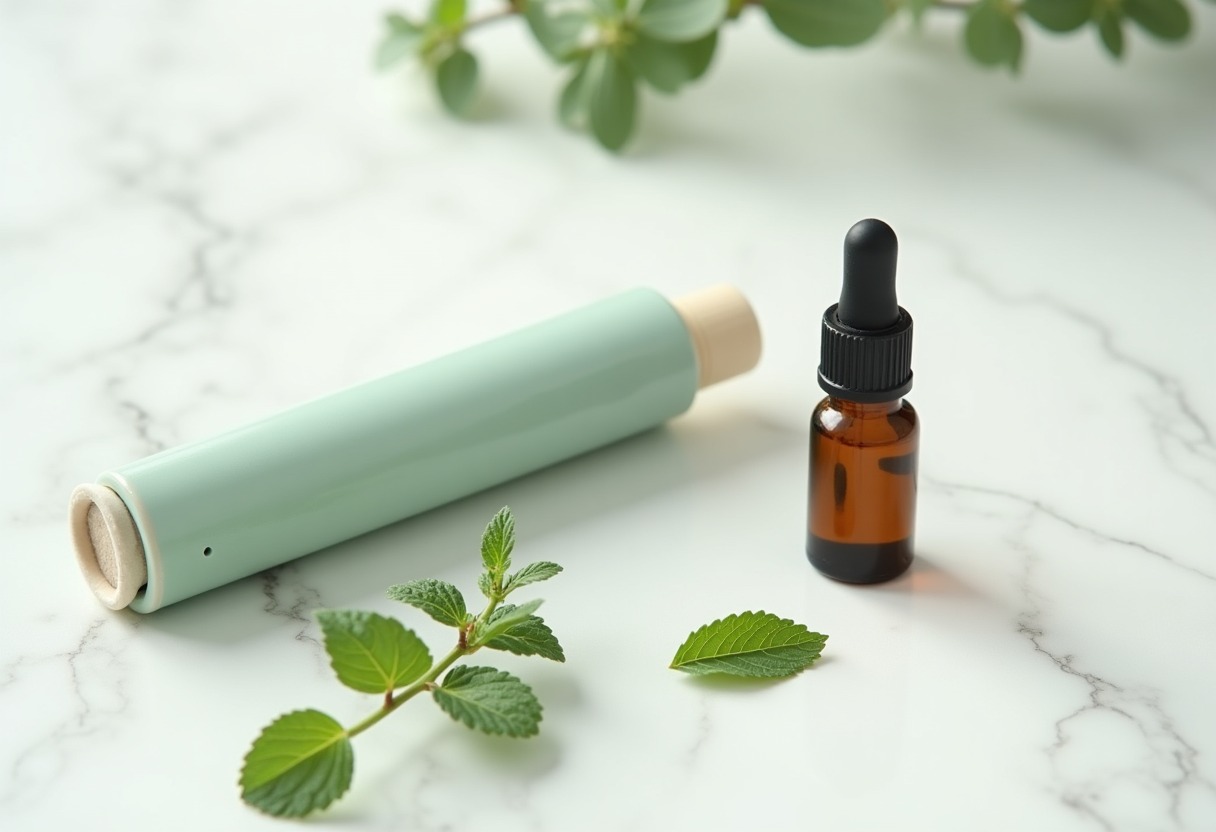
Seasonal allergies turn every spring morning into a battle with itchy eyes, congestion, and that exhausting pressure behind your cheekbones. Essential oils won't replace antihistamines for severe reactions, but specific compounds in eucalyptus, peppermint, and tea tree can genuinely open airways, reduce inflammation, and make breathing easier during allergy season.
Why Essential Oils Work for Respiratory Symptoms
The connection between aromatherapy and respiratory relief comes down to specific volatile compounds. Eucalyptol (1,8-cineole) in eucalyptus oil acts as a natural decongestant and anti-inflammatory. According to research published by the National Institutes of Health, eucalyptol reduces mucus production and opens airways in people with respiratory conditions. Menthol in peppermint oil creates a cooling sensation that tricks receptors into perceiving clearer breathing, while also having mild antihistamine properties.
Tea tree oil contains terpinen-4-ol, which has demonstrated antimicrobial and anti-inflammatory effects in multiple studies. When seasonal allergies trigger sinus inflammation and create an environment for secondary infections, tea tree's properties become particularly useful.
The mechanism matters: you're not "curing" allergies with oils. You're addressing specific symptoms — congestion, inflammation, sinus pressure — with compounds that have measurable effects on those exact problems. Think of essential oils as targeted symptom management, not immunotherapy.
For anyone dealing with persistent respiratory issues beyond seasonal allergies, our guide to Best Essential Oils For Congestion covers chronic sinus problems in detail.
The Five Most Effective Oils for Seasonal Allergies
Eucalyptus globulus tops the list for a reason. The eucalyptol concentration ranges from 60-75%, making it the most potent decongestant option. Steam inhalation with 2-3 drops in hot water clears sinuses within minutes. → Shop eucalyptus essential oil on Amazon
Peppermint oil addresses that stuffy-nose feeling where you can't quite breathe through your nostrils. The menthol content (30-50%) activates cold-sensitive receptors, creating perceived airflow improvement even before actual decongestion occurs. Blend it with eucalyptus in a 1:2 ratio for steam inhalation — the combination works better than either alone.
Tea tree (Melaleuca alternifolia) becomes essential when allergies lead to sinus infections or when you're fighting both pollen and spring colds simultaneously. Use it in diffuser blends rather than direct inhalation, as the camphoraceous scent can be overwhelming at high concentrations.
Lavender might seem like an odd choice for respiratory support, but it reduces the stress response that makes allergy symptoms worse. Cortisol levels rise when you're dealing with constant sneezing and congestion, which triggers more inflammation. Lavender's linalool and linalyl acetate compounds have documented anti-anxiety effects that break this cycle. We cover this extensively in our Best Essential Oils For Sleep post.
Rosemary oil contains rosmarinic acid, a compound that directly inhibits allergic responses. It's particularly effective when combined with eucalyptus in chest rubs (properly diluted, of course — more on that below).
For headaches that accompany sinus pressure, check our guide to Best Essential Oils For Headaches.
Application Methods: What Actually Works
| Method | Best For | Dilution/Amount | Duration | |--------|----------|-----------------|----------| | Steam inhalation | Immediate sinus relief | 2-3 drops in bowl of hot water | 5-10 minutes, 2-3x daily | | Personal inhaler | On-the-go symptom management | 10-15 drops on cotton wick | Inhale as needed, lasts 2-3 weeks | | Chest rub | Nighttime congestion | 2% dilution in carrier oil | Apply before bed | | Diffuser blend | Ambient respiratory support | 5-8 drops total in 100ml water | 30-60 minutes, 2-3x daily |
Steam inhalation delivers the fastest results. Fill a heat-safe bowl with just-boiled water, add your oils, drape a towel over your head and the bowl, and breathe deeply for 5-10 minutes. The heat volatilizes the compounds, and the steam carries them directly into your nasal passages and sinuses. This method works so well that you'll feel relief within the first minute.
Personal inhalers solve the portability problem. These small tubes contain a cotton wick you can saturate with oils, then cap and carry everywhere. → Shop personal essential oil inhalers on Amazon. Add 10 drops of eucalyptus and 5 drops of peppermint to the wick, and you have pocket-sized relief that lasts weeks.
Chest rubs require proper dilution — this isn't negotiable. Use 12 drops of essential oil per ounce of carrier oil for a 2% dilution. Our Essential Oil Dilution Ratios Safe Aromatherapy Concentrations guide covers exactly why this ratio matters and what happens when you exceed it. For allergy relief, blend eucalyptus, peppermint, and rosemary in equal parts, then dilute in jojoba or sweet almond oil.
Diffusing works for ambient support but won't clear acute congestion. Use it to maintain easier breathing between more direct applications. For diffuser recommendations, see our Best Essential Oil Diffusers 2026 roundup.
Pre-Made Blends vs. Single Oils: Making the Choice
Single oils give you control. You can adjust ratios based on your specific symptoms, switch oils if one irritates you, and avoid compounds you're sensitive to. The learning curve is steeper, but you'll build a more targeted approach over time.
Pre-made respiratory blends simplify the process. → Shop respiratory essential oil blends on Amazon. Quality blends combine eucalyptus, peppermint, tea tree, and often ravintsara or rosemary in tested ratios. The trade-off: you can't customize, and you're trusting the manufacturer's formulation skills.
Check ingredient lists carefully. A good respiratory blend should list specific botanical names (Eucalyptus globulus, not just "eucalyptus") and avoid fillers or fragrance oils. The term "therapeutic grade" means nothing legally — read our Essential Oil Quality Grades Understanding Therapeutic Grade Organic Marketing Claims post for the full breakdown on marketing versus actual quality indicators.
For beginners dealing with allergies for the first time, start with a pre-made blend. Once you understand how your body responds, buy single oils and create custom combinations. Your sinuses might respond better to a eucalyptus-heavy mix, while someone else needs more lavender to address stress-induced symptoms.
Advanced Techniques Most Allergy Guides Skip
Nasal inhaler sticks deserve more attention than they get. These are different from personal inhalers — they're designed specifically for nostril application. → Shop nasal inhaler sticks on Amazon. The wick sits closer to your nasal membranes, delivering higher concentrations directly where you need them. Use a 50/50 eucalyptus-peppermint blend for maximum effect.
Shower steamers turn your morning shower into a sinus-clearing session. Mix 1 cup baking soda, 1/2 cup citric acid, and 20 drops each of eucalyptus and peppermint. Add just enough water to make the mixture moldable (like wet sand), press into silicone molds, and let dry overnight. Place one on the shower floor before you get in — the water activates the fizzing reaction and releases the oils into the steam.
Layering with carrier oils enhances absorption. Our How To Layer Scents guide covers the technique in detail, but the short version: apply unscented carrier oil to pulse points first, then add your diluted essential oil blend on top. The carrier oil creates a base that helps volatilize the essential oils more gradually, extending their effects.
Timing applications to pollen counts multiplies effectiveness. Check your local pollen forecast and apply oils preventively on high-count days. Use a personal inhaler before going outside, and do steam inhalation immediately when you return. This proactive approach reduces symptom intensity before you're already congested.
Keep oils away from your eyes and mucous membranes in undiluted form. If you're new to topical application, our Essential Oil Carrier Oils Guide explains which carriers work best for facial and chest applications.
Storage matters during allergy season. Spring heat and humidity degrade oils faster than winter cold. Read our Essential Oil Storage and Essential Oil Shelf Life guides to protect your respiratory blends.
FAQ
Can I use essential oils if I'm already taking allergy medication?
Yes, essential oils work through different mechanisms than antihistamines or corticosteroid nasal sprays, so they won't interfere with your prescriptions. Oils address mechanical symptoms like congestion and inflammation, while medications block histamine receptors or reduce immune responses. Use them together for complementary relief — the oils handle immediate breathing comfort while medication addresses the underlying allergic reaction. Just avoid applying oils within an hour of using medicated nasal sprays, as the oil film can block spray absorption.
Which essential oil works fastest for sudden allergy attacks?
Peppermint in a personal inhaler provides the quickest perceived relief because menthol activates cold receptors instantly. You'll feel like you can breathe better within 30 seconds, even though actual decongestion takes a few minutes longer. For genuine sinus clearing rather than just sensation, eucalyptus via steam inhalation works fastest — you'll experience mucus thinning and drainage within 3-5 minutes. Keep both methods available: personal inhaler for when you're out, steam bowl for home use.
How often can I safely use eucalyptus oil for congestion?
Steam inhalation with eucalyptus is safe 2-3 times daily during active allergy symptoms. Space sessions at least 4 hours apart to avoid overexposure to eucalyptol, which can cause headaches at excessive concentrations. For personal inhalers, you can use them as needed throughout the day since the exposure per inhalation is much lower. Stop use if you develop any skin sensitivity, increased congestion (rebound effect), or headaches. Pregnant women should limit eucalyptus use to once daily — see our Essential Oils Pregnancy Safety guide for full precautions.
Do essential oils help with pet allergies or just pollen allergies?
Essential oils address the symptom mechanisms (inflammation, congestion, sinus pressure) regardless of allergen source. They work equally well for pet dander, dust mites, or pollen because you're treating your body's response, not removing the allergen itself. The catch: if you're diffusing oils in a room with pets, some essential oils can be harmful to cats and dogs. Eucalyptus and tea tree are particularly problematic for cats. Use personal inhalers or apply diluted oils topically instead of diffusing if you have pets in the same space.
Can I make essential oil blends ahead of allergy season?
Absolutely, and you should. Pre-blend your respiratory formulas 2-3 weeks before your typical allergy season starts and store them in dark glass bottles in a cool location. Pre-made blends actually improve slightly over the first week as the compounds marry together. For chest rub blends with carrier oil, make them fresh every 4-6 weeks since the carrier oil can oxidize. For pure essential oil blends (no carrier), they'll remain potent for 6-12 months if stored properly. Label everything with blend date and ingredients — your congested future self won't remember what's in that amber bottle.
Essential oils for allergies work best when you match specific oils to your exact symptoms, use proper dilution, and apply them consistently throughout allergy season rather than waiting until you're already miserable.
Some links on this page are affiliate links. We may earn a small commission if you purchase through them, at no extra cost to you.
As an Amazon Associate we earn from qualifying purchases. This article contains affiliate links; if you buy through them we may earn a small commission at no additional cost to you.