 Aroma Tranquility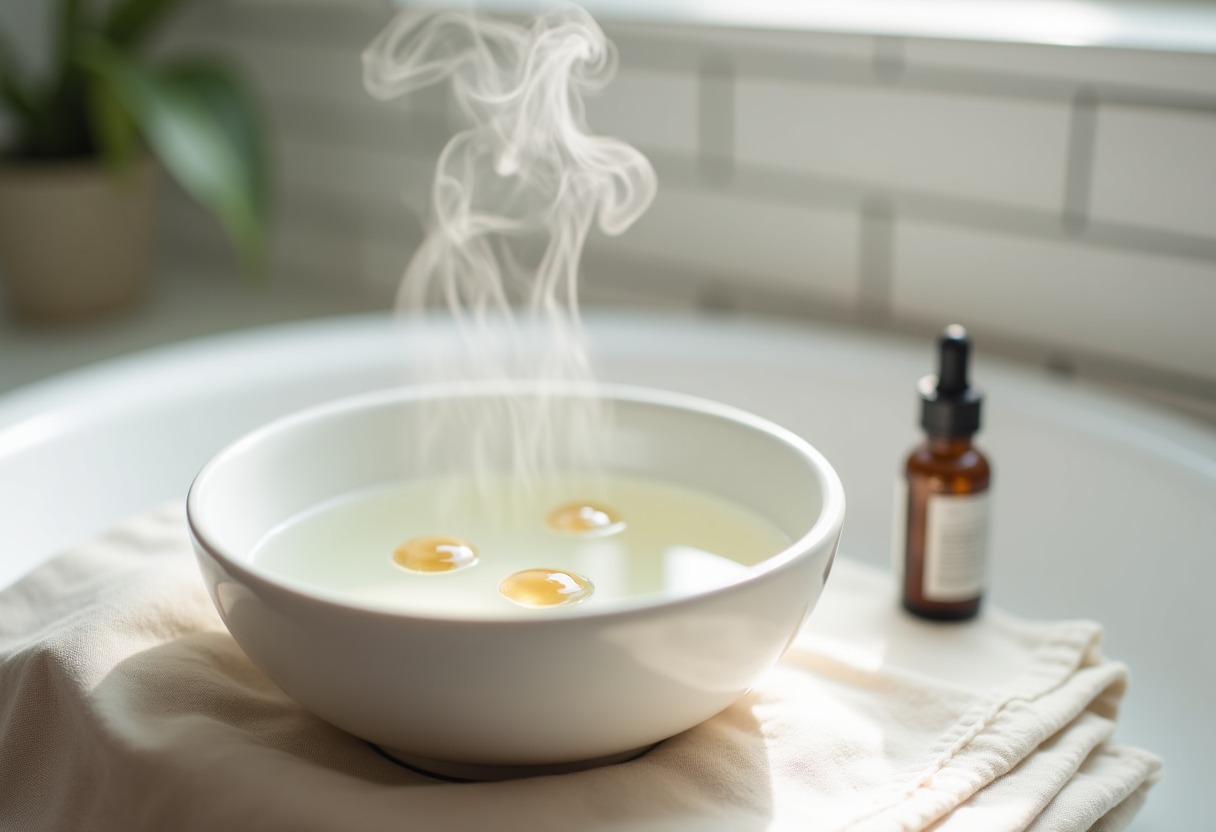
Your diffuser broke, you're traveling, or maybe you just want aromatherapy benefits without plugging anything in. Using essential oils without a diffuser opens up more flexibility than you'd think—and some methods deliver therapeutic compounds more directly than room diffusion ever could.
Why Diffuser-Free Methods Work Just as Well
The National Institutes of Health recognizes multiple inhalation routes for essential oil compounds, and direct inhalation often delivers volatile molecules more efficiently than diffused mist. A diffuser disperses oils throughout a room, but you're only breathing a fraction of those molecules. Direct inhalation—whether through steam, a personal inhaler, or even your palms—concentrates the aromatic compounds where they matter: your olfactory receptors and respiratory tract.
Room diffusion has its place, especially for ambient scenting and stress relief throughout a space. But when you need targeted support for congestion, focused aromatherapy during travel, or bedtime ritual oils that won't disturb your partner, diffuser-free methods give you control and portability that plug-in devices can't match.
Eight Practical Methods for Using Essential Oils Without Diffuser Equipment
Steam Inhalation
Pour near-boiling water into a heat-safe bowl, add 3-5 drops of essential oil, and drape a towel over your head to trap the steam. Breathe slowly for 5-10 minutes. Steam inhalation delivers oils directly to your sinuses and respiratory system—particularly effective for eucalyptus, peppermint, or tea tree when you're dealing with congestion. Keep your eyes closed (menthol-rich oils can irritate) and stay at least 12 inches above the water to avoid steam burns.
Personal Aromatherapy Inhalers
→ Shop aromatherapy inhalers on Amazon
These pocket-sized tubes contain a cotton wick saturated with essential oils. Add 10-15 drops to the wick, and the inhaler delivers concentrated aroma for weeks. Perfect for anxiety support, energy boosts, or combating nausea during travel. The enclosed design prevents oil oxidation better than open methods, and you can create custom blends for different situations—one for focus and productivity, another for sleep.
Cotton Ball or Tissue Method
Drop 2-3 drops of oil onto a cotton ball or tissue and place it near you—on your nightstand, car vent, or desk edge. Simple, immediate, and disposable. This method works beautifully when you want ambient scent in a small area without committing to a diffuser. Replace every few hours as the oils evaporate. For car use, clip the cotton ball to your sun visor or tuck it into the vent slats.
Topical Application with Proper Dilution
Essential oils penetrate skin and enter your bloodstream while also reaching your nose. Always dilute oils in a carrier oil before skin contact—our Essential Oil Dilution Ratios Safe Aromatherapy Concentrations guide covers safe percentages, but 2-3% dilution (about 10-15 drops per ounce of carrier) works for most applications. Apply to pulse points, temples, or the bottoms of your feet. This dual-action approach combines aromatherapy with transdermal absorption.
Our Best Essential Oil Roller Blends post covers pre-diluted options if you want ready-to-use convenience.
Palm Inhalation
Add 1-2 drops to your palms, rub them together briefly, cup your hands over your nose (not touching your face), and take 4-6 slow breaths. This delivers immediate aromatic impact—useful before stressful meetings, during anxiety episodes, or when you need a quick reset. Wash your hands afterward and keep oils away from your eyes.
Aromatherapy Jewelry
→ Shop ceramic essential oil pendants on Amazon
Ceramic, lava stone, or felt pendants absorb oils and release scent gradually throughout the day. Apply 1-2 drops to the porous surface and wear it as personal aromatherapy. These work quietly in professional settings where obvious scent methods might be inappropriate. Refresh the oils every 2-3 days depending on the oil's volatility—citrus oils fade faster than woody or resinous scents.
Shower Steam Method
Drop 3-5 drops of eucalyptus, peppermint, or rosemary onto the shower floor (away from the direct water stream) before your shower. The steam carries the oils throughout the enclosed space, creating an instant at-home spa experience. Particularly effective for respiratory support or as part of your morning scent ritual. The humid environment intensifies the aromatic release without requiring any equipment.
Pillow or Linen Spray
Mix 10-15 drops of essential oil with 2 ounces of water and a teaspoon of witch hazel (as an emulsifier) in a spray bottle. Shake before each use and mist pillows, sheets, or curtains lightly. Lavender, chamomile, and cedarwood work exceptionally well for sleep support. The witch hazel helps oils disperse in water rather than floating on top. Test on fabric first to ensure no staining.
Method Comparison: Choosing Your Approach
| Method | Best For | Duration | Portability | Intensity | |--------|----------|----------|-------------|-----------| | Steam Inhalation | Congestion, respiratory support, deep therapeutic sessions | 5-10 minutes | Home use only | Very High | | Personal Inhaler | Travel, public settings, targeted emotional support | 2-3 weeks per refill | Excellent | High | | Cotton Ball/Tissue | Immediate ambient scenting, car use, temporary needs | 2-4 hours | Excellent | Medium | | Topical Application | Sustained absorption, localized concerns, dual benefits | 4-6 hours | Good | Medium-High | | Palm Inhalation | Quick resets, immediate stress response, pre-event rituals | Instant | Excellent | High | | Aromatherapy Jewelry | All-day passive diffusion, professional settings | 2-3 days | Excellent | Low-Medium | | Shower Steam | Morning routines, respiratory clearing, spa experience | Duration of shower | Home use only | Medium-High | | Linen Spray | Sleep support, room freshening, fabric scenting | Several hours | Poor | Low-Medium |
Essential Supplies Worth Having
Blank Inhaler Tubes
→ Shop glass inhaler tubes on Amazon
Stock up on several tubes so you can keep different blends ready. Glass versions outlast plastic and don't absorb previous scents. Look for sets that include spare wicks—you'll want to refresh them every few months for optimal scent throw.
Quality Carrier Oils
If you're applying oils topically, you need reliable carriers. Our Essential Oil Carrier Oils Guide breaks down absorption rates and skin benefits, but jojoba, fractionated coconut, and sweet almond are versatile starting points. Buy organic, cold-pressed versions in dark bottles to prevent rancidity.
Portable Aromatherapy Sticks
→ Shop portable aromatherapy sticks on Amazon
These look like lip balm tubes but contain essential oil-soaked wicks. Pre-filled versions offer convenience for testing blends before committing to your own inhaler tubes. Keep one in your bag, car, and desk drawer.
Small Glass Spray Bottles
Essential for linen sprays and room mists. Amber or cobalt blue glass protects oils from light degradation. Choose 2-ounce bottles for portability and 4-ounce for home use. Metal or glass sprayer tops resist essential oil breakdown better than plastic.
Cotton Rounds or Organic Cotton Balls
→ Shop organic cotton balls on Amazon
Keep a bag handy for quick scenting needs. Organic cotton holds oils better and doesn't introduce pesticide residues into your aromatherapy practice. Store them in a glass jar with a few drops of your favorite oil for pre-scented versions ready to grab.
What Most Guides Miss: Layering Methods for Stronger Impact
Combining diffuser-free methods amplifies benefits beyond single-application approaches. Apply a diluted roller blend to your pulse points, then follow with palm inhalation of the same oil. The topical application provides sustained low-level exposure while the inhalation delivers an immediate aromatic hit.
For sleep support, layer a linen spray on your pillowcase with topical application to the bottoms of your feet 30 minutes before bed. The dual exposure reinforces the relaxation signal without overwhelming your senses. This technique mirrors professional aromatherapy practices where multiple delivery routes create synergistic effects.
Consider timing layers strategically. Morning routines benefit from shower steam followed by an aromatherapy pendant for all-day carryover. Evening wind-down works well with steam inhalation an hour before bed, then linen spray as your final step.
Match your oils to the method's strength. Potent oils like peppermint and eucalyptus work in steam or personal inhalers where you control exposure. Gentler oils like lavender and chamomile suit linen sprays and jewelry where they provide subtle, continuous presence.
Our guide on How To Blend Essential Oils Guide helps you create custom combinations that work across multiple methods—one blend recipe can serve your inhaler, roller bottle, and linen spray.
Safety Considerations Beyond Dilution
Phototoxic Oils and Sun Exposure
Citrus oils—particularly bergamot, lime, lemon, and grapefruit—cause photosensitivity when applied topically. Avoid sun exposure for 12-24 hours after topical citrus application, even when properly diluted. Steam inhalation and personal inhalers don't carry this risk since oils don't contact sun-exposed skin.
Hot and Cold Sensitivity
Oils high in menthol (peppermint, wintergreen) or camphor (eucalyptus, rosemary) create intense cooling or warming sensations. Use them cautiously in steam inhalation—the heat intensifies these effects and can irritate mucous membranes. Start with 1-2 drops instead of the usual 3-5 until you know your tolerance.
Pregnancy and Child Safety
Many common oils aren't appropriate during pregnancy or around young children. Our Essential Oils Pregnancy Safety post covers specifics, but general practice: avoid oregano, thyme, sage, and rosemary during pregnancy. For children under two, skip all topical application and use only gentle oils (lavender, chamomile) in passive methods like cotton balls placed out of reach.
Medication Interactions
Essential oils can interact with blood thinners, sedatives, and other medications. Topical application and steam inhalation have higher interaction potential than passive inhalation. Consult your healthcare provider if you take prescription medications regularly, especially before using oils known for strong physiological effects (clary sage, marjoram, ylang ylang).
Quality Matters More Without a Diffuser
Direct inhalation and topical application demand higher quality oils than room diffusion. You're exposing your body to concentrated compounds without the dilution effect of dispersing oils through a large room. Invest in oils from reputable suppliers that provide GC/MS testing results. Our Essential Oil Quality Grades Understanding Therapeutic Grade Organic Marketing Claims post deconstructs marketing terminology and helps identify genuinely pure oils.
FAQ
Can I put essential oils directly on my skin without dilution?
No, with rare exceptions like lavender or tea tree in very limited spot application. Undiluted essential oils (called "neat" application) can cause chemical burns, sensitization, or allergic reactions even if you've used that oil safely before. Sensitization builds over time—repeated neat application trains your immune system to react negatively. Always dilute to 1-5% depending on the application area and oil type. Check our Essential Oil Concentration Guide for specific dilution math and safe percentages for different situations.
How many drops should I use for steam inhalation?
Start with 2-3 drops for your first session, maximum 5 drops once you know your tolerance. More doesn't mean better—excessive oil in steam can irritate your respiratory tract, trigger coughing, or cause mucous membrane inflammation. Hot water intensifies oil volatility, so you're getting strong exposure even from small amounts. If you find the scent overwhelming or experience any burning sensation in your nose or throat, stop immediately and ventilate the area. Menthol-rich oils (eucalyptus, peppermint) need particular caution—stick to 2 drops maximum.
Do essential oils expire or lose potency over time?
Yes, and this matters more for diffuser-free methods where you're using oils directly. Citrus oils oxidize quickly (12-18 months), while most other oils remain viable for 2-3 years if stored properly in dark glass bottles away from heat and light. Oxidized oils smell off (stale, harsh, or musty) and carry higher risk of skin sensitization. Tree and resin oils (sandalwood, frankincense, myrrh) actually improve with age. Check our Essential Oil Storage guide for specific shelf life by oil category and storage best practices.
Can I use essential oils in my car safely?
Yes, with smart method choices. Personal inhalers and aromatherapy sticks work perfectly—they're enclosed, won't spill, and deliver scent only when you want it. Cotton balls clipped to sun visors or tucked in vent slats also work well. Avoid oils that cause drowsiness (lavender, chamomile, valerian) while driving. Stimulating oils like peppermint, rosemary, or citrus blends support alertness better. Never apply oils to your steering wheel, gear shift, or other surfaces you touch frequently—they can create slippery residue. And skip any method involving heat sources in your car's enclosed space.
What's the difference between aromatherapy and just smelling nice scents?
Aromatherapy involves using specific essential oils for targeted therapeutic outcomes—managing anxiety, supporting respiratory function, improving sleep quality, or enhancing focus. The volatile compounds in pure essential oils interact with your olfactory system and, through topical application, enter your bloodstream to create physiological effects. "Smelling nice" usually refers to synthetic fragrances or fragrance oils that provide pleasant scent without therapeutic compounds. Fragrance oils often contain phthalates and synthetic ingredients that smell good but lack the terpenes, esters, and other active molecules that give essential oils their therapeutic properties. Real aromatherapy requires pure essential oils and intentional application methods—which is exactly what diffuser-free approaches provide when done correctly.
Making Aromatherapy Work for Your Life
Essential oils don't need a diffuser to do their work—they need intention, proper technique, and methods that fit your actual life. Steam inhalation treats congestion more effectively than room diffusion. Personal inhalers travel anywhere. Topical application delivers sustained benefits that ambient scenting can't match.
Some links on this page are affiliate links. We may earn a small commission if you purchase through them, at no extra cost to you.
As an Amazon Associate we earn from qualifying purchases. This article contains affiliate links; if you buy through them we may earn a small commission at no additional cost to you.